The Department of Chemical Engineering and Materials Science (ChEMS) at Michigan State University pursues a broad and interconnected research portfolio that spans the molecular to the macroscopic scale, unified by a commitment to solving pressing challenges in energy, sustainability, health, and advanced manufacturing. Faculty combine computational modeling and artificial intelligence with experimental synthesis and characterization to accelerate the discovery of new molecules, catalysts, and materials, while parallel efforts in electrochemical energy storage and conversion, functional and electronic materials, and structural materials and processing address how atomic- and microstructure-level design translates into device- and component-scale performance for batteries, fuel cells, semiconductors, and metals. This materials-focused work is complemented by deep expertise in catalysis, sustainability, and process design aimed at decarbonizing the chemical industry and converting renewable and waste feedstocks into fuels and chemicals, alongside a substantial polymers and composites research base that spans fundamental polymer physics, biodegradable and biobased plastics, and composite manufacturing. The department's biomedical and bio-inspired materials researchers apply engineering principles to protein and drug delivery, biosensors, and tissue-interfacing materials, while a growing plant and environmental science thrust extends nanomaterial and biopolymer platforms to agricultural resilience and environmental remediation. Across all of these areas, the department emphasizes translating fundamental scientific understanding into practical, often commercializable technologies — reflected in its extensive patent portfolio, industry partnerships, and entrepreneurial faculty ventures — while training the next generation of chemical engineers and materials scientists through nationally recognized research and teaching programs.

Research Annual Report
Our annual publication provides a detailed overview of research activities.

Faculty and Academic Staff Directory
Faculty profiles also have links to research group websites.
Research Areas
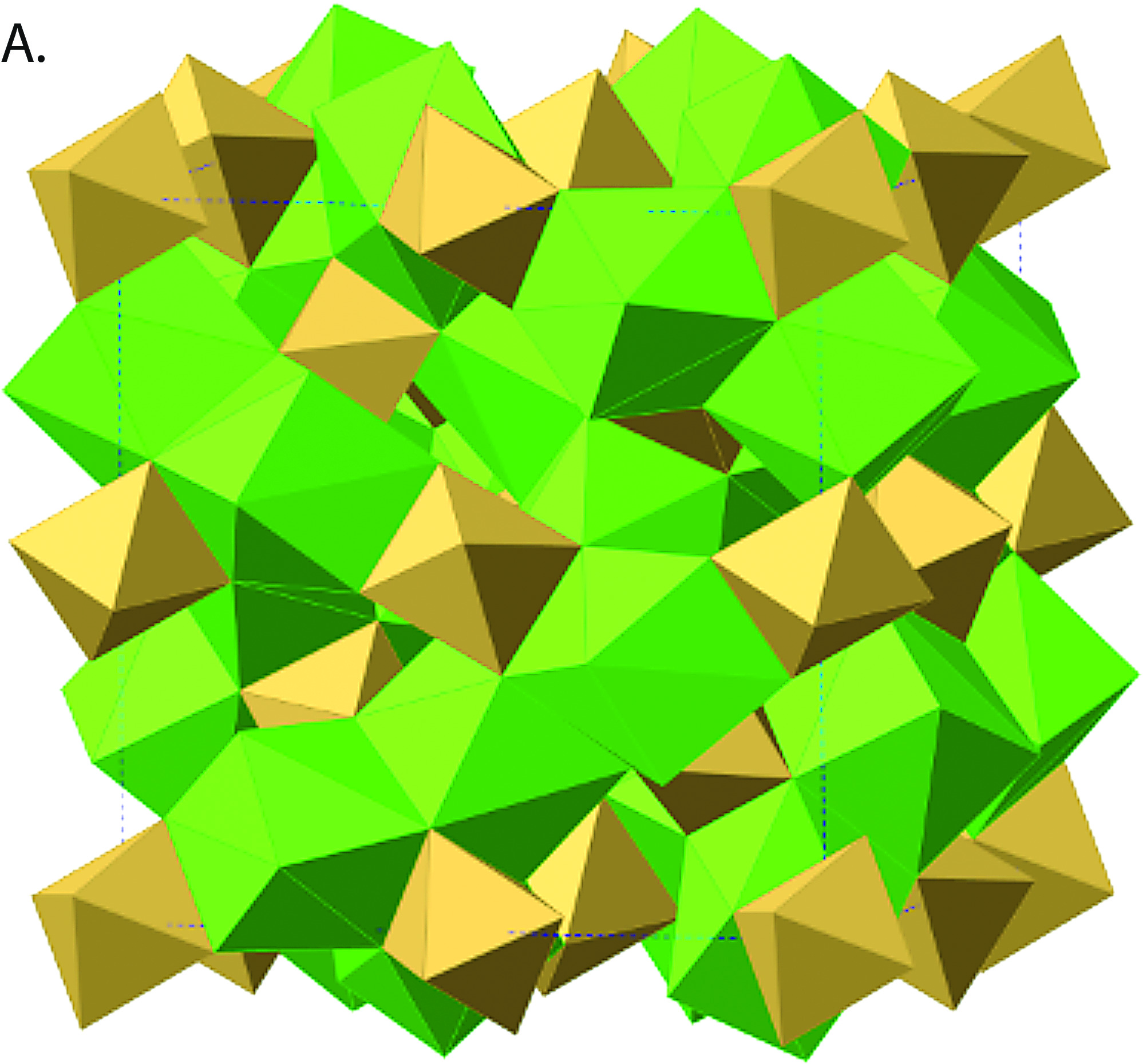
Artificial Intelligence, Modeling, and Simulation
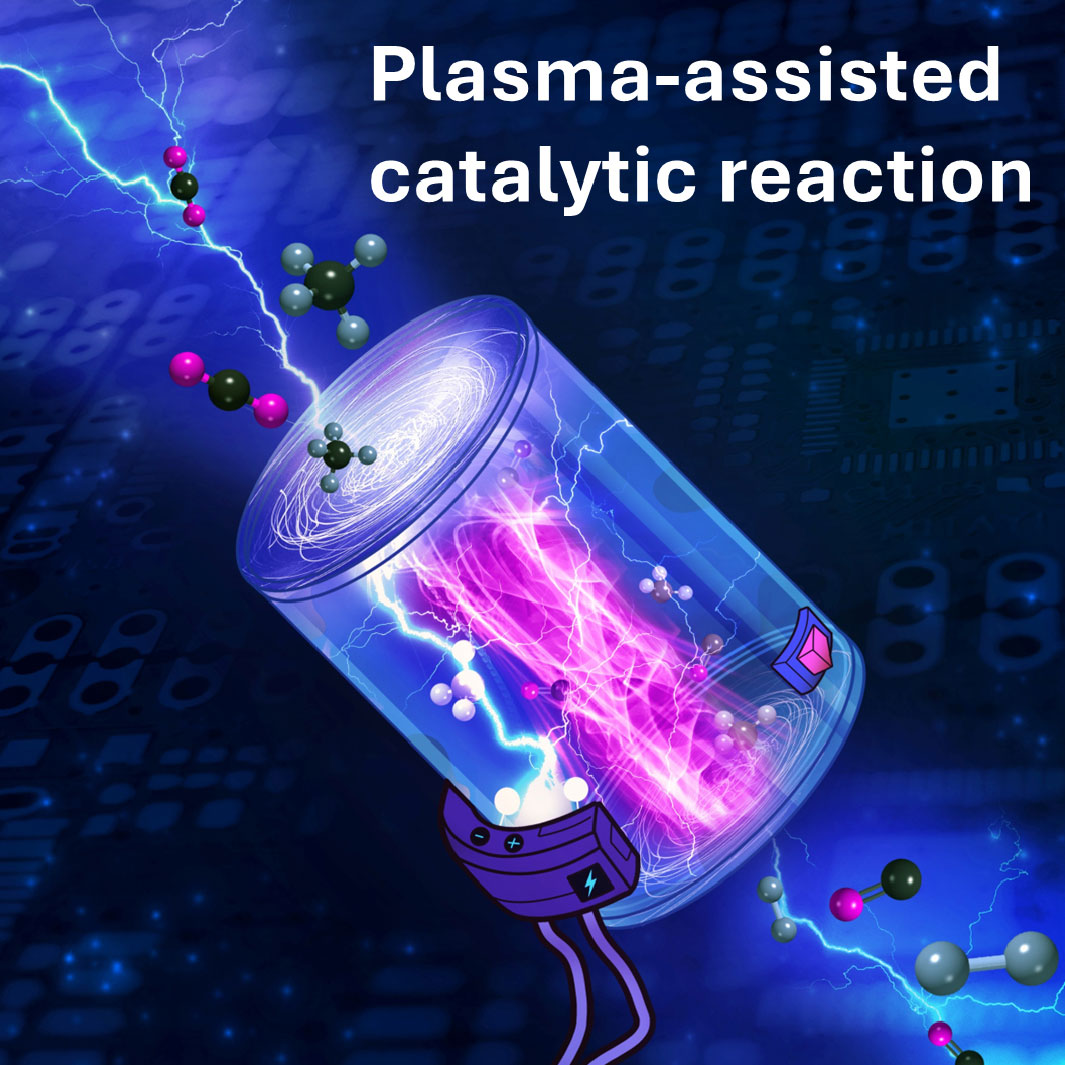
Catalysis, Sustainability, and Process Design
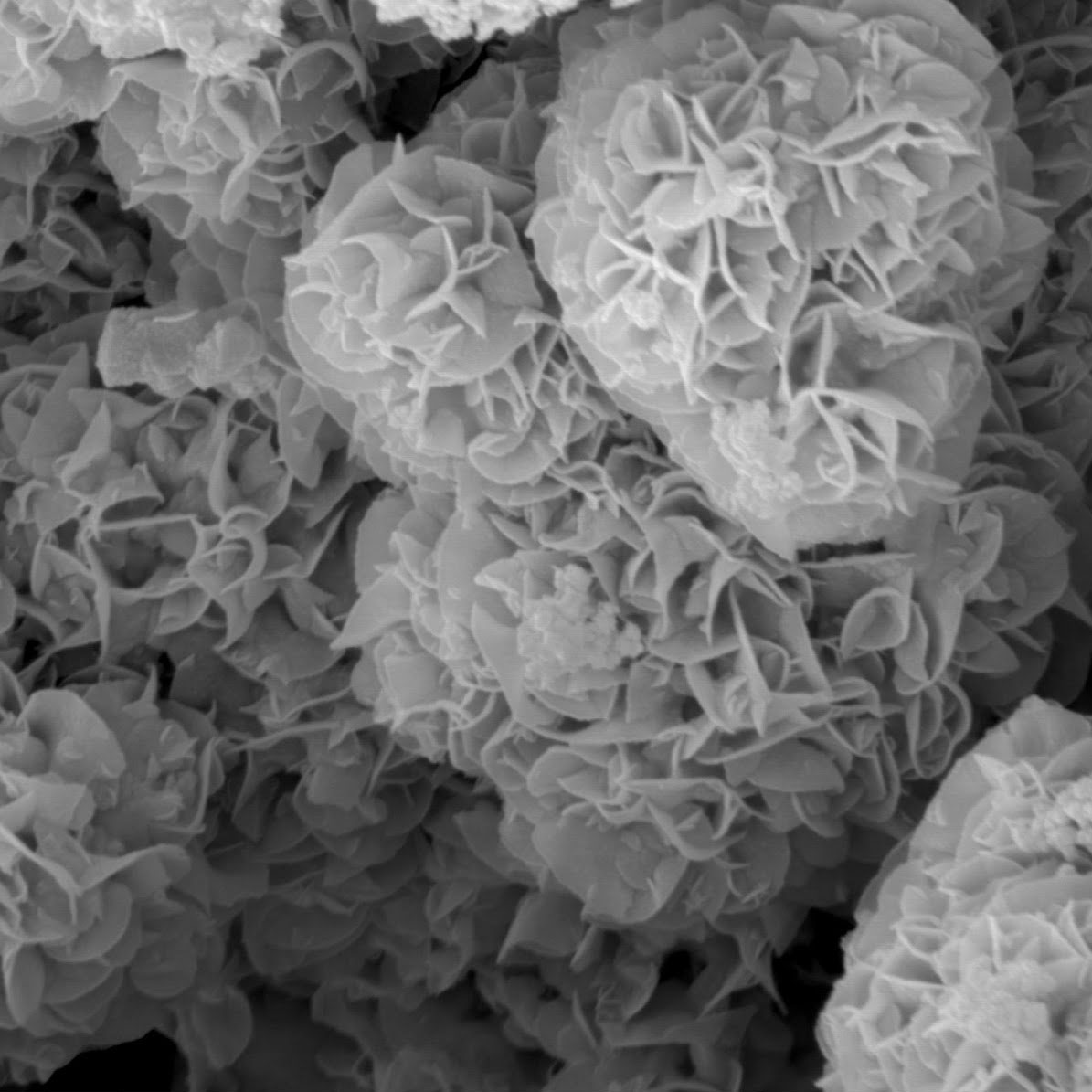
Electrochemical Energy Conversion and Storage