Spartans helped shape world-changing discoveries
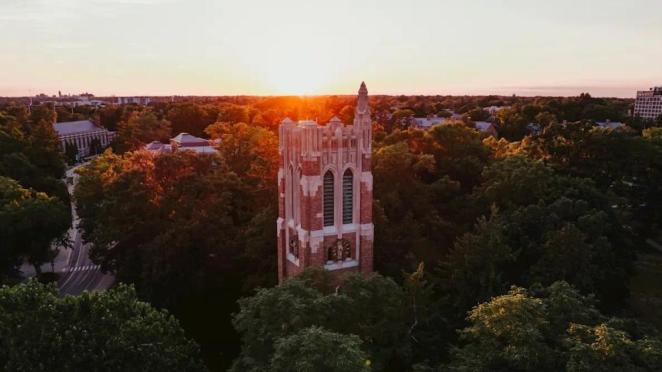
Read ArticleSpartans are natural innovators. They push the limits of discovery and create solutions that benefit all of us. In fact, Michigan State University is ranked in the top 50 of the National Academy of Inventors’ list of top U.S. universities granted utility patents and has been a top 100 university globally for 11 consecutive years.
MSU College of Engineering recognizes 18 for excellence in contributions
Read ArticleThe Michigan State University College of Engineering recognizes 18 faculty and staff members with awards for their excellence in service and distinguished contributions. Each year, faculty and staff are nominated by their colleagues, industry peers and students for the most prestigious honors the college offers.
MSU survey finds Michigan’s ‘hands-free’ law is working
Read ArticleWith distracted driving claiming over 3,000 lives in 2022 according to the National Highway Traffic Safety Administration, states are enacting laws to make drivers think twice about using their phones while driving. A recent survey of Michigan drivers performed by Michigan State University researchers found a decrease in the handheld use of cell phones or other electronic devices while driving.
MSU campus recognized as state of Michigan featured mobility testing asset
Read ArticleMichigan State University has officially been selected as a featured mobility testing asset by the State of Michigan’s Office of Future Mobility and Electrification, or OFME. Being included as a state-featured testing asset validates the university’s continued efforts to drive the future of mobility and the critical role it plays in proving out mobility innovation and developments.
Fall 2024 Design Day Award Winners
Read ArticleThe Michigan State University College of Engineering celebrated Engineering Design Day on Dec. 6, 2024. The event, now in its 31st year, showcased student projects from the Departments of Civil and Environmental Engineering, Computer Science and Engineering, Electrical and Computer Engineering, and Mechanical Engineering.
$706,000 for lithium iron phosphate recycling
Read ArticleAs the industry surrounding electric vehicles (EVs) evolves, a lithium-ion battery is emerging that could have a market value of $35 billion by 2030. Considering the average life span of lithium-ion batteries is about 10 years, the need for innovative recycling strategies is becoming urgent.
Automation Alley: Kristen Cetin describes how MSU’s Industrial Training and Assessment Center helps improve performance and build an energy-savvy workforce
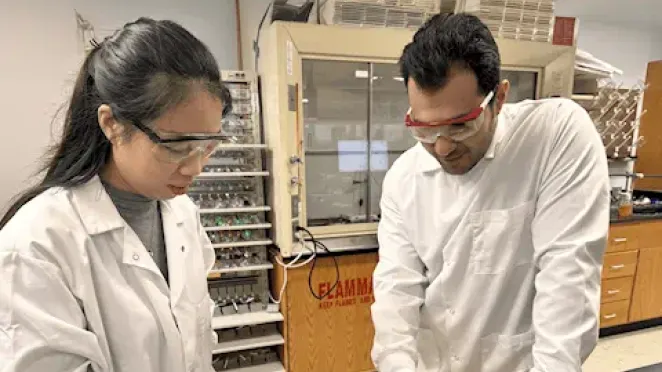
Read ArticleMSU’s Industrial Training and Assessment Center (ITAC), a U.S. Department of Energy-funded center located on MSU’s East Lansing campus, offers no-cost energy and productivity assessments to help Michigan’s small manufacturers and commercial building owners save energy, reduce waste, and build a skilled energy workforce.
Academia and Industry: Collaborating for the win
Read ArticleThe College of Engineering at Michigan State University is a top producer of practice-ready talent for Michigan and beyond due in large part to a deeply rooted commitment to collaborating with industry and government.