From fueling electric vehicles to stabilizing renewable grids, the world’s demand for safe, high-capacity energy storage keeps rising.
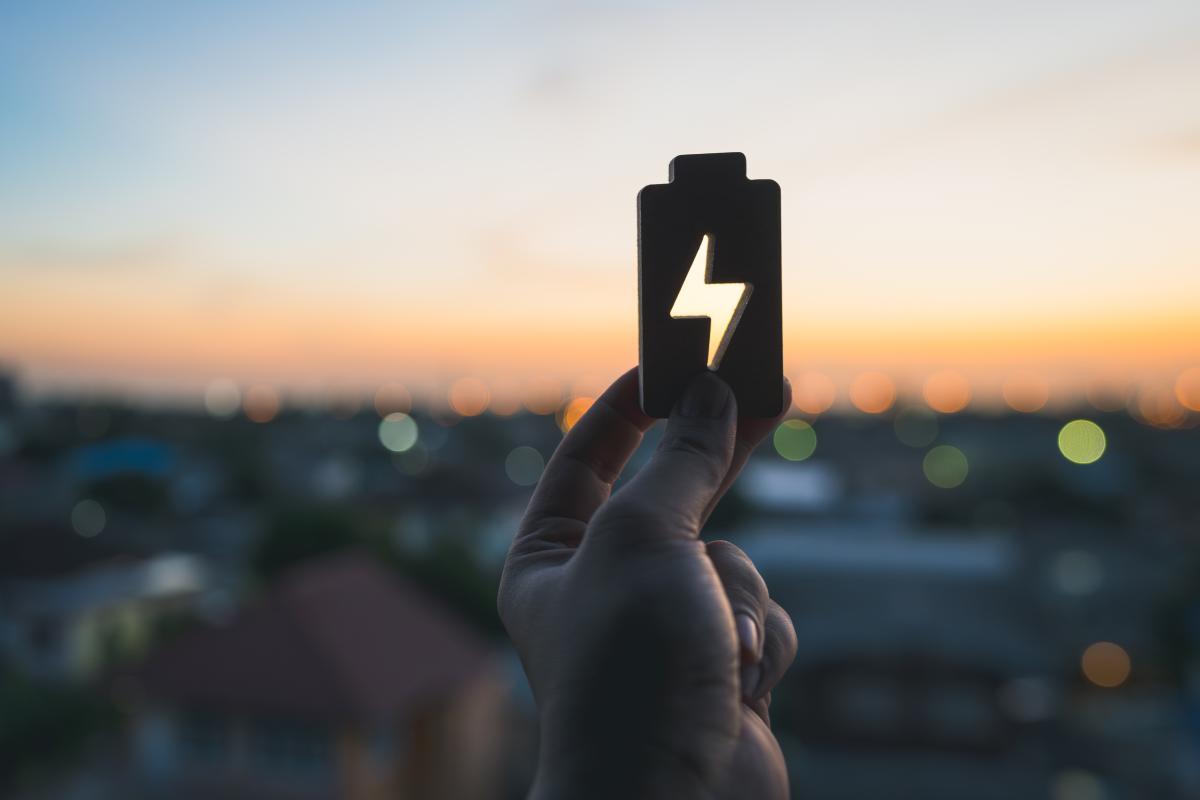
Ruigang Wang in the Department of Chemical Engineering and Materials Science at Michigan State University is tackling that challenge by rethinking how batteries themselves are built.
His team is advancing beyond traditional lithium battery construction to next-generation metal–sulfur and aluminum-ion systems. These new batteries are designed to store more energy, last longer, and rely on widely available materials.
By addressing long-standing issues, from sulfur’s tendency to lose charge through “polysulfide shuttling” to aluminum’s tendency to grow branch-like dendrites, the group is removing barriers that have limited battery reliability and cost-effectiveness.
The result could be a leap forward for sustainable power: cells that operate safely for more cycles, charge faster, and use materials such as sulfur and aluminum while reducing dependence on nickel and cobalt, where supply chains are concentrated and prices are volatile. That shift would make electric vehicles and large-scale renewable storage both more affordable and more resilient.
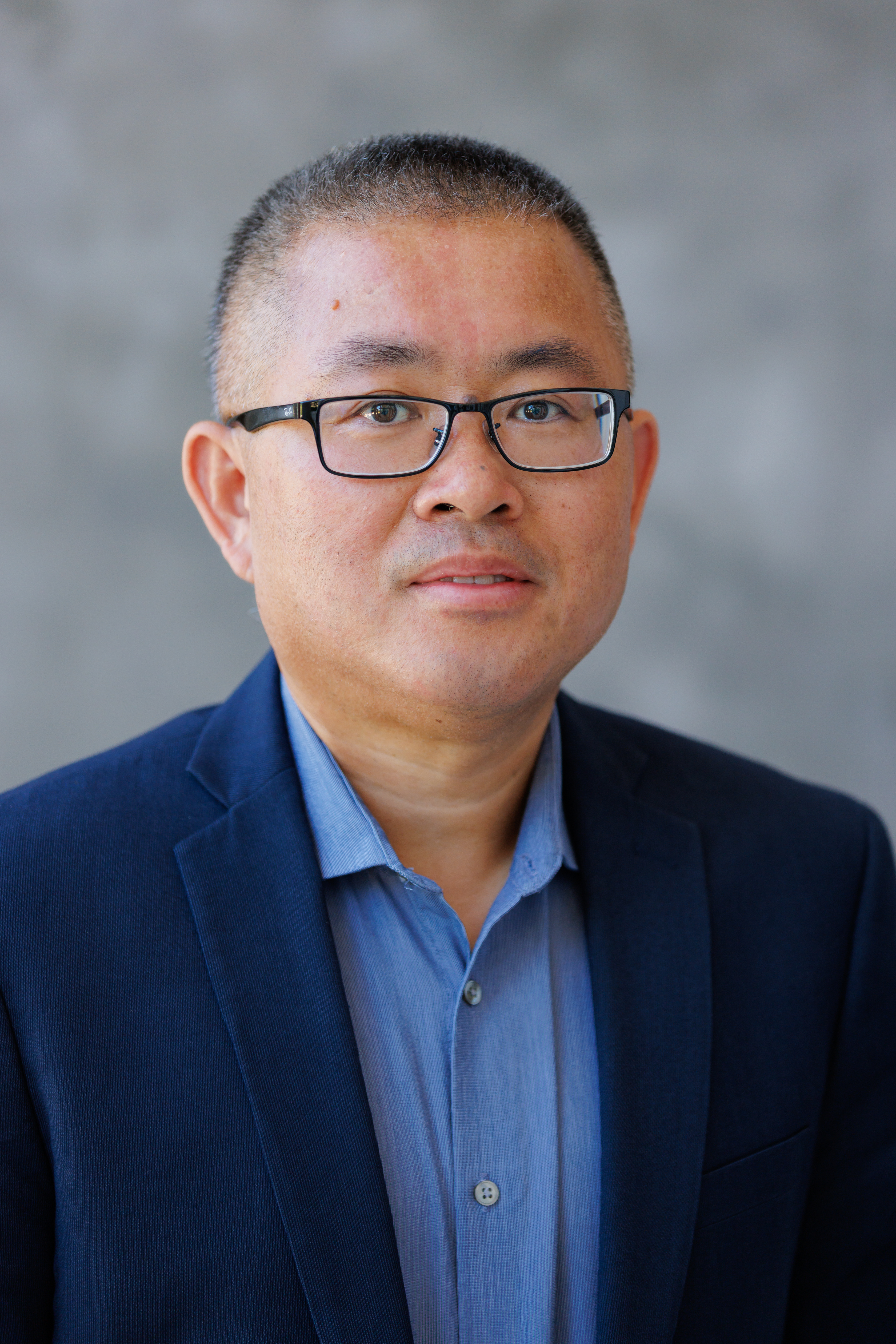
Wang’s lab works at the intersection of chemistry and materials design, using separators thinner than a human hair and specialized additives to keep reactions stable. Each breakthrough moves us closer to batteries that not only hold more energy, but hold the key to a cleaner, steadier energy future.
To explore Wang’s research, visit:
Synergistic SnSe 2 @Ti 3 C 2 T x MXene heterostructured separator for highly efficient polysulfide adsorption, catalytic redox acceleration, and enhanced electrochemical stability in advanced lithium-sulfur batteries [Article]
Functional additives for AlCl 3 /EMIC ionic liquid electrolyte of rechargeable aluminum batteries: advancements and challenges [Article]
Ruigang Wang’s Research Website [Website]
NSF Award: Aluminum-ion battery [Website]
NSF Award: Lithium-sulfur battery [Website]
NSF Award: Sodium-sulfur battery [Website]
Michigan EGLE Award: Battery component recycling [Article]
MSU College of Engineering Media and Public Relations page