
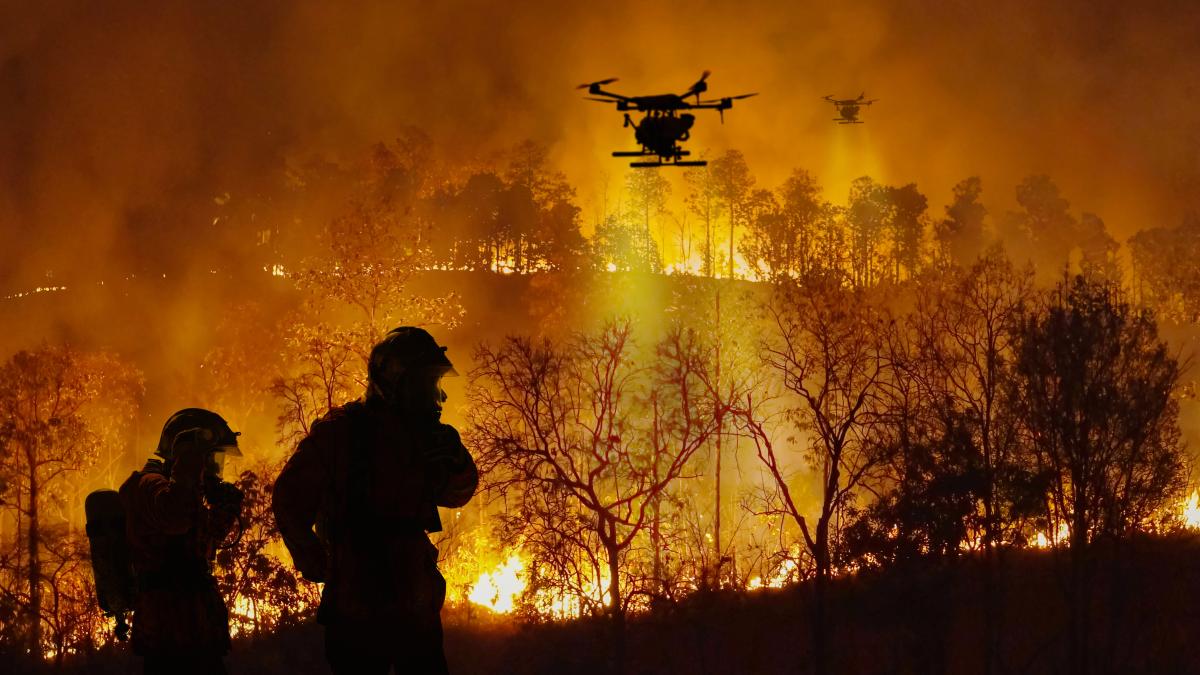
Imagine a drone surveying a wildfire when one of its motors fails mid-flight. Instead of crashing, it senses the problem, adjusts and safely completes its mission.
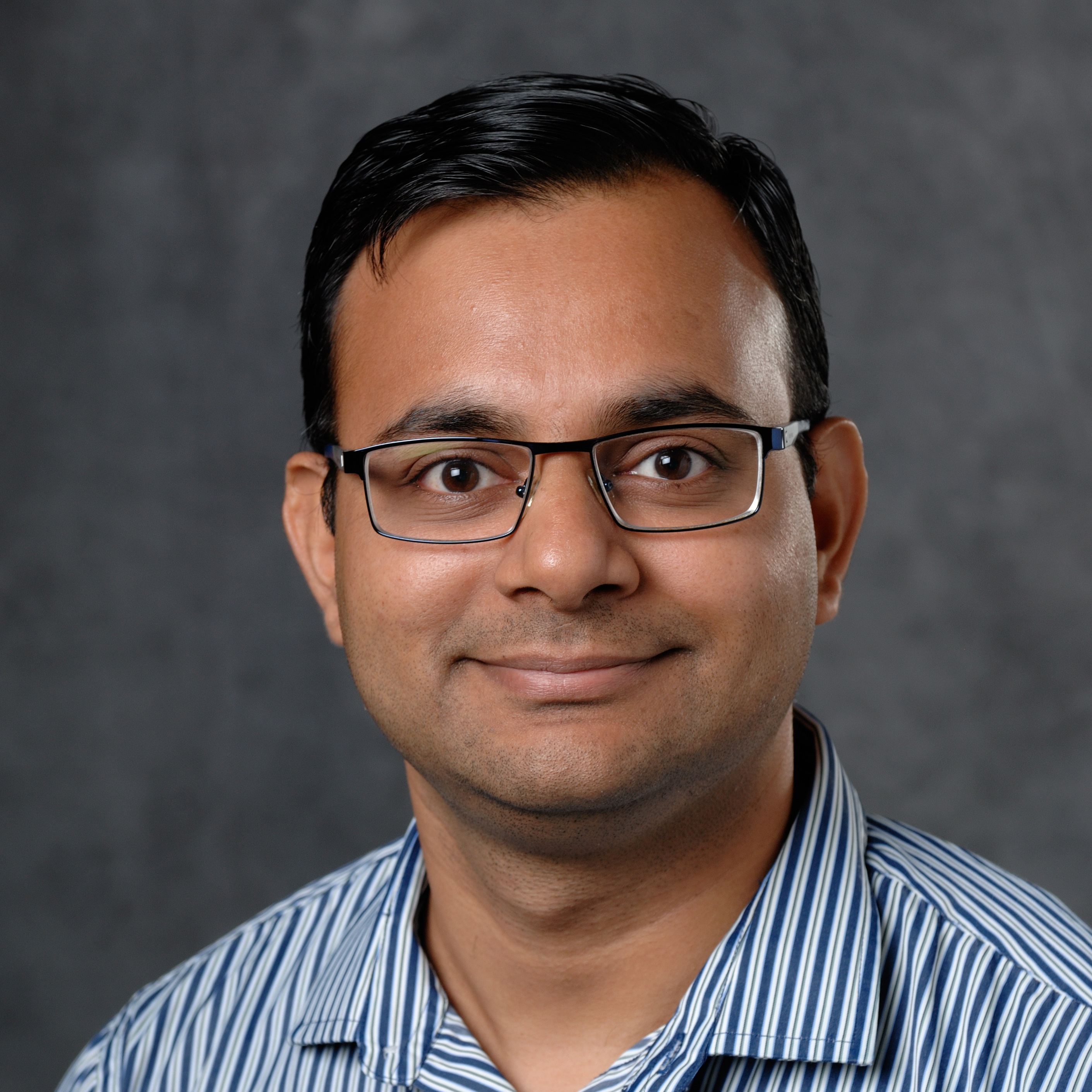
This new generation of resilient autonomous systems that can think on their feet is the result of work by a team led by Vaibhav Srivastava, associate professor in the Department of Electrical and Computer Engineering at Michigan State University.
Unlike earlier systems, advanced autonomous systems give drones, robots and ground vehicles the ability to continuously learn from data, recover from failures and make sound decisions in complex environments. They do this in real time and extend human reach into the most challenging environments – including safety-critical domains like disaster zones, transportation networks and industrial zones.
Specifically, autonomous systems could support the work of:
- Emergency-response and defense agencies when deploying fault-tolerant UAVs and autonomous sensor networks for search-and-rescue or reconnaissance missions
- Infrastructure and environmental monitoring organizations that use adaptive aerial and surface vehicles for inspection, surveying and ecological sensing
- Industrial automation and logistics sectors, where resilient autonomy ensures safety and reliability in multi-robot coordination
This new generation of systems helps shape a future where autonomous systems can be trusted to operate reliably, even when the world around them is unpredictable.
Discover more about Srivastava’s work:
- A High-Gain Observer Approach to Robust Trajectory Estimation and Tracking for a Multi-rotor UAV [Article]
- In-flight actuator failure recovery of a hexrotor via multiple models and extended high-gain observers [Article]
- Expedited Multi-Target Search with Guaranteed Performance via Multi-fidelity Gaussian Processes [Article]
- Multi-Robot Gaussian Process Estimation and Coverage: A Deterministic Sequencing Algorithm and Regret Analysis [Article]
- Modeling Trust Dynamics in Robot-Assisted Delivery: Impact of Trust Repair Strategies [Article]
- Vaibhav Srivastava's Research Website [Website]
MSU College of Engineering Media and Public Relations page