
The National Nuclear Security Administration has announced a new Focused Investigatory Center at Michigan State University focused on the future of fusion energy.
The award includes $5 million spread out over the next five years and will provide a unique opportunity for MSU faculty and students to work alongside and learn from U.S. Department of Energy researchers in collaboration with researchers from Georgia Tech and Brown University.
“The creation of this center really speaks to the bleeding-edge research happening at MSU,” said Andrew Christlieb, an MSU Research Foundation Distinguished Professor in the colleges of Engineering and Natural Science. “It’s about creating a mini collaborative research environment where students and postdoctoral students are conducting basic research and cutting-edge science while gaining national laboratory experience to solve an important problem that is significant to the DOE.”
MSU’s center, called the Center for High Order Plasma Turbulence Modeling for Z-Pinch, will build on research expertise in data science and scientific computing using artificial intelligence and machine learning to develop better predictive models to create fusion energy. These models will test atoms that haven’t been used before in a device called a Z-pinch to create fusion energy.
What is fusion energy and how is it created?
“The original fusion engine is a star,” said Christlieb. “We are trying to understand the physics of where that matter comes from and the stardust that created us.”
Christlieb explains that creating fusion energy is about applying the right amount of pressure over the right length of time.
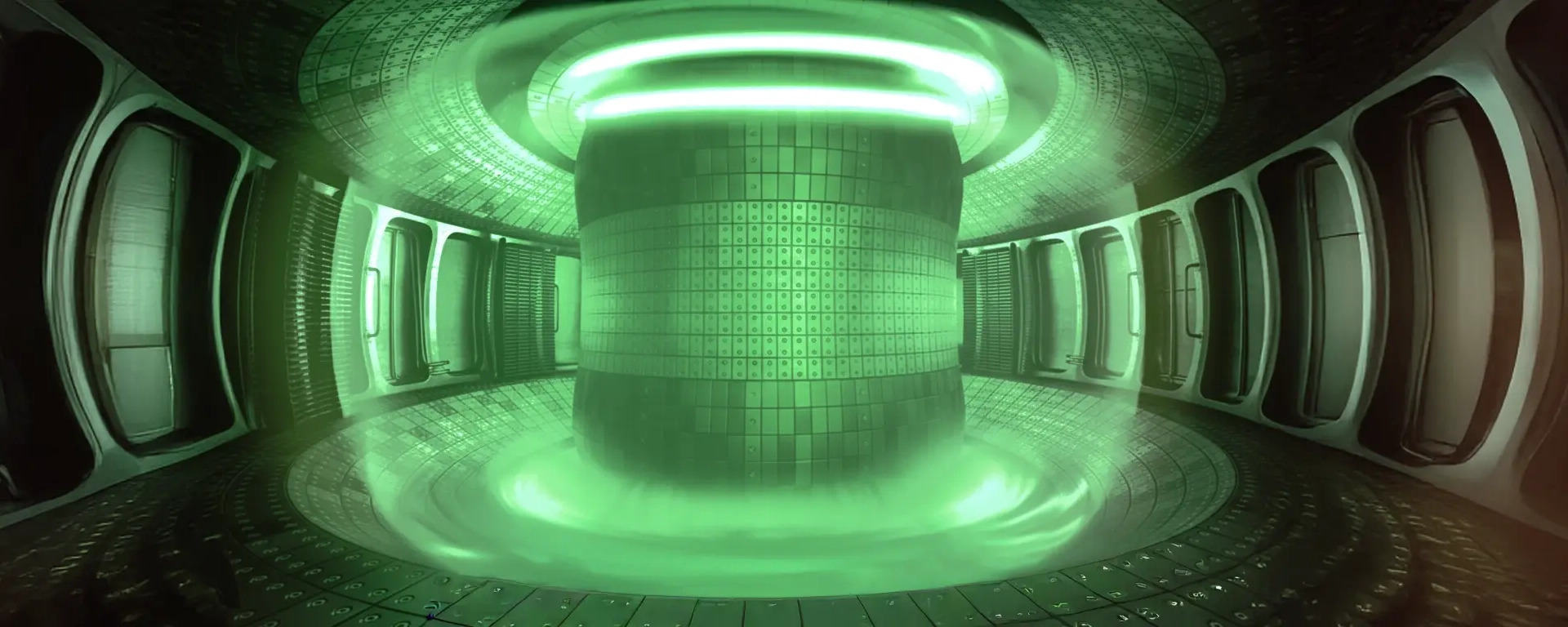
During the process, hydrogen atoms are “doped” by giving them an extra neutron charge that primes those atoms, making them more likely to fuse together. Inside a Z-pinch, a gigantic electrical current measuring 20 megaamperes — or the equivalent of 700 to 1,000 lightning strikes — generates a crushing magnetic field filled with plasma, or electrically charged gas. Pressure from the field squeezes the plasma causing the atoms to smash into each other and fuse together, converting matter into fusion energy.
Why do we need a better fusion energy model?
There are many ways for energy to escape during this process. It’s like squeezing silly putty. As the pressure increases when you close your hand tighter around the putty, it oozes out between your fingers, relieving the pressure and associated energy. When too much energy is lost, fusion can’t happen. If researchers can develop a better model to stop energy from escaping, there will be enough energy to make fusion happen.
New models will allow scientists to identify escape routes, understand the physics that creates them, and design ways to block or bypass them. In this sense, improved modeling is a key pathway to making fusion a reality. This approach was central to achieving fusion at the National Ignition Facility in December 2022, and this work aims to extend that success to other types of pressure-driven plasmas.
Being able to build a better predictive model for this process would also save researchers time and money as they test atoms that haven’t been tested before to develop the future of clean fusion energy.
DOE research opportunity
Another important aspect of the center is the Tri-Lab Sponsor Team, or TST. The TST is a panel of DOE researchers who participate with the MSU research team, meeting regularly to discuss the research being conducted at MSU and ensuring that it integrates and aligns with current DOE research objectives.
By understanding how energy is created from beyond Earth to our very own neighborhood, MSU is at the forefront of creating clean fusion energy that could be cheaper in the future.
“It’s not so much about creating cheap energy, but that would be great for all of us if we could,” said Christlieb. “What I’m really thinking about is you could really change the paradigm about feeding the world. If energy is basically free then, suddenly, you can change the paradigm about what the resources necessary to feed the world become.”
Story courtesy of MSUToday
MSU College of Engineering Media and Public Relations page