
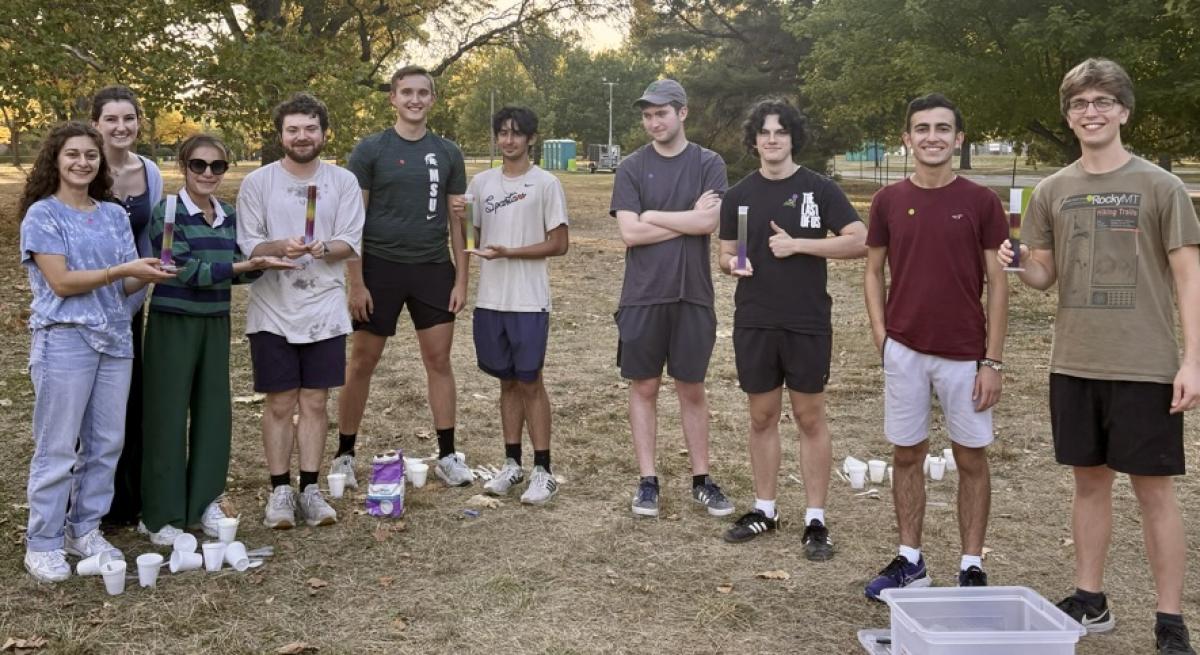
For newly admitted Spartans, joining a registered student organization (RSO) is one of the fastest ways to find a community, explore majors and careers, and start building experience early in college. Michigan State University has more than 1,000 registered student organizations, including about 40 with an engineering or computer science focus. All RSOs are open to all students.
What RSOs are — and how to get started
Registered student organizations are student-led groups built around shared goals and interests. Many offer opportunities for professional development, research, service and social connection.
A few easy ways to start:
- Browse student organizations and events through MSU Registered Student Organizations and Involve@State, MSU’s engagement portal for registered student organizations.
- Review a focused list of engineering and computer science aligned RSOs on the College of Engineering student groups page.
- Attend fall Preview Day as a prospective student and engage with RSOs throughout the event.
- Participate in Admitted Student Day on April 11, 2026 (for students already admitted to the university) for opportunities to connect with RSOs and learn how to get involved.
- Once enrolled at MSU, attend Sparticipation—MSU’s annual involvement fair held at the start of the academic year with all RSOs in one place.
A sampling of engineering groups to explore
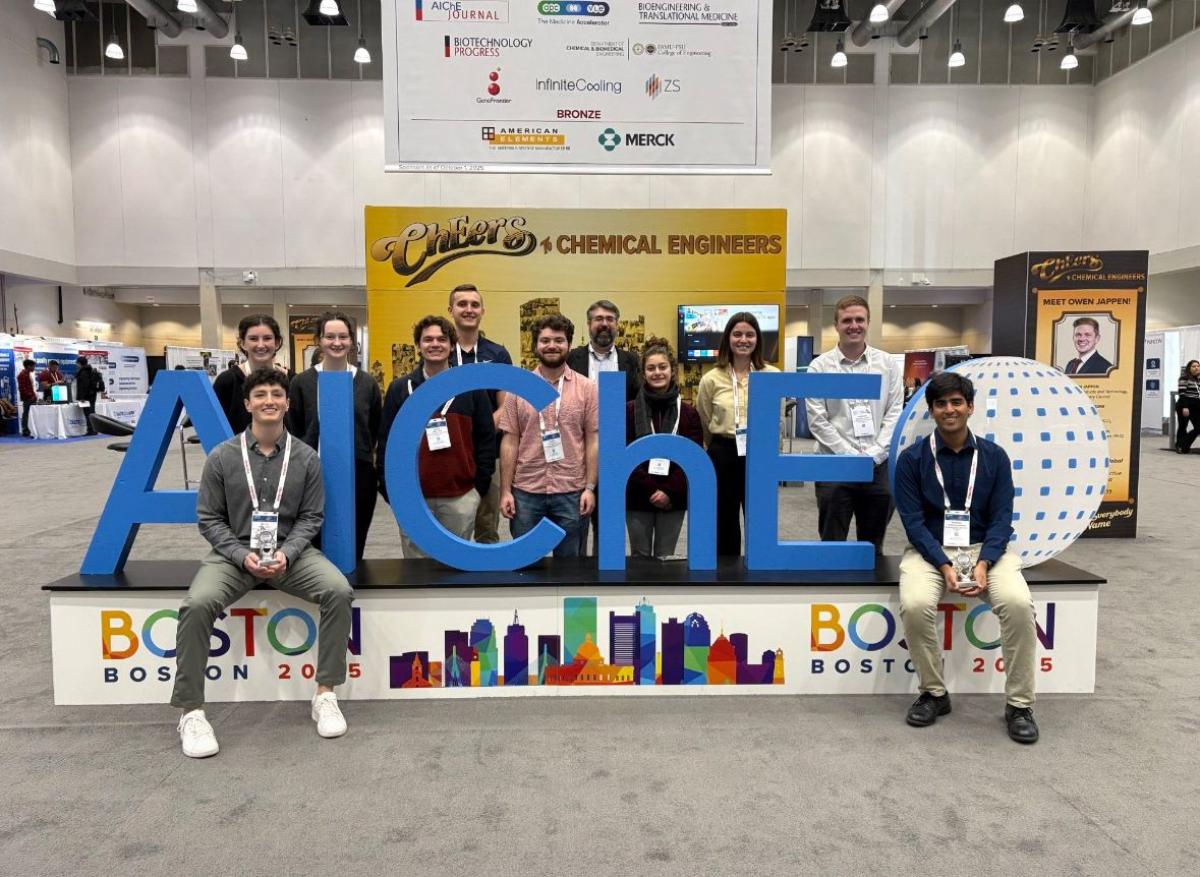
American Institute of Chemical Engineers (AIChE)
Shubhan Nagarkar is a chemical engineering student and secretary of MSU’s AIChE chapter. He said the organization has opened doors for him, leading to research opportunities and helping him move toward securing a job.
AIChE is the world’s leading organization for chemical engineering professionals. At MSU, chapter members connect with recruiters, professors, and engineers through networking and professional development.
Nagarkar said AIChE offers robust career development opportunities for student members. “Getting involved in various networking opportunities, professional development, connecting with peers, professors and industry— I have found the opportunities are endless.”
AIChE also recently developed a mentoring program which helps first- and second-year students get support and guidance from upper-level students.
“Our organizational resources really make us stand out,” Nagarkar said.
Bladesmithing
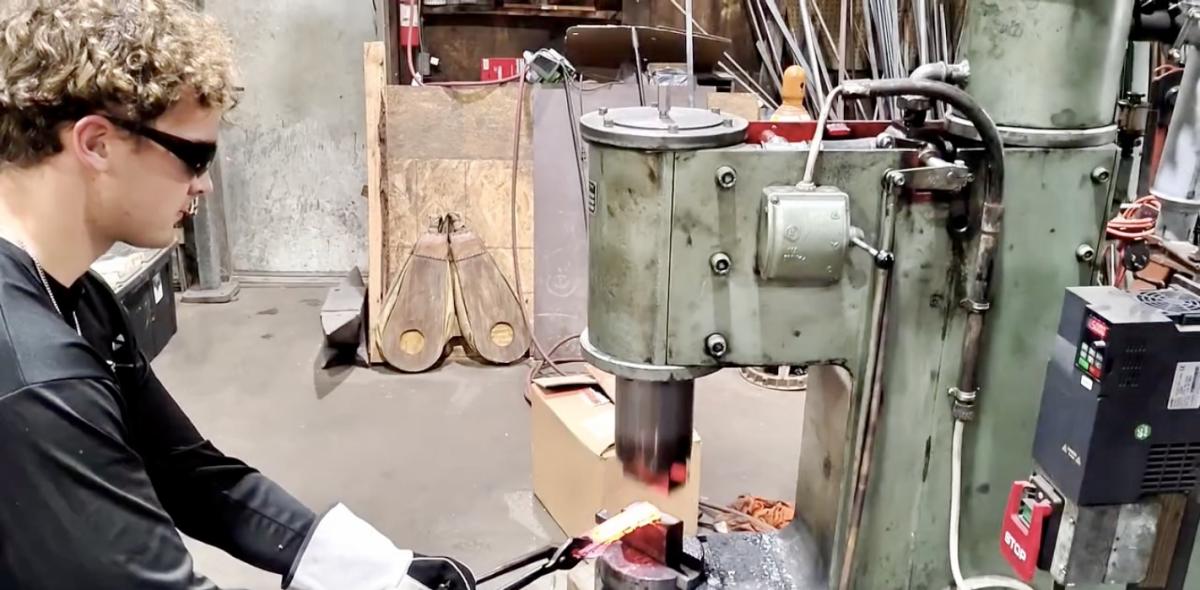
One of the newest RSOs, Bladesmithing, offers students the chance to combine academics with creative projects while they workshop blades.
Reed Blocksome, a sophomore majoring in materials science and engineering, is president of the organization. He said the academic-creative combination inspired him to found the club.
“It’s sort of fine arts meets engineering, and that’s what got me into it,” Blocksome said.
MSU Bladesmithing takes materials science concepts from the classroom and applies them to practical work and art. The group aims to foster a welcoming community where students can learn, create and be themselves.
Blocksome said he hopes to take the team to the TMS (The Minerals, Metals & Materials Society) Bladesmithing Competition, which challenges student teams to forge a blade and demonstrate the materials science behind it.
“You write a paper on it, you do a material analysis, and we get to play with the electron microscope,” Blocksome said.
American Society of Civil Engineers (ASCE)
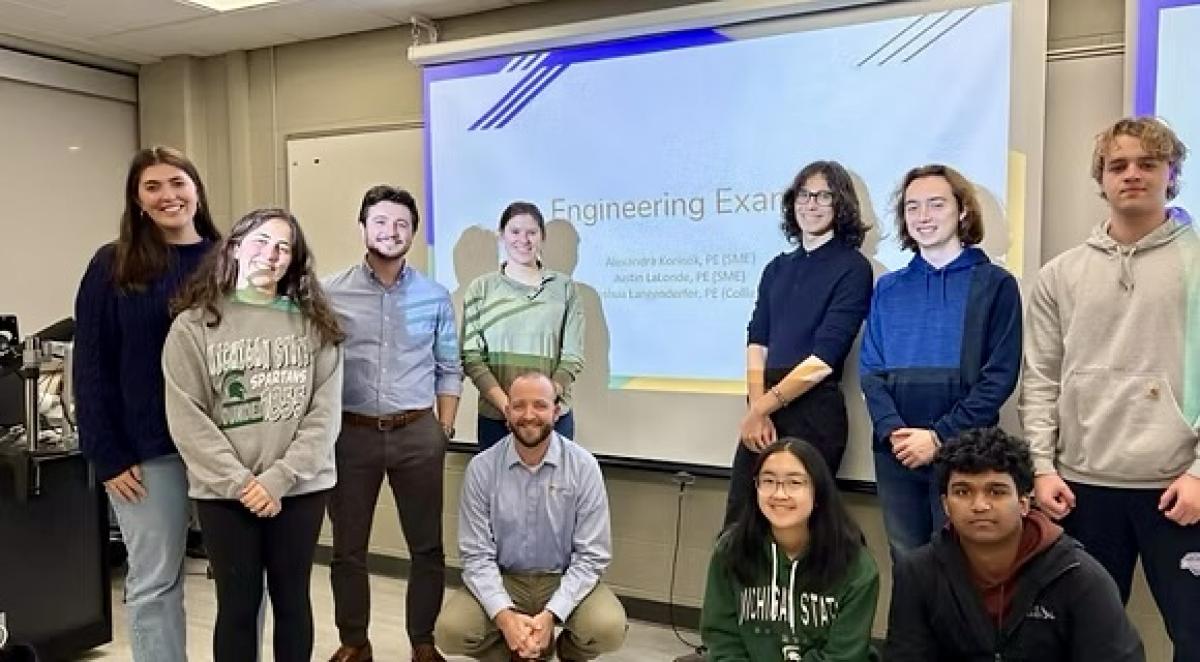
Taylor Stenzel is a junior studying civil engineering and president of MSU’s ASCE chapter. Stenzel said she joined ASCE at the recommendation of a mentor. What really drew her in was the community.
“I was surrounded by people who are just like me,” Stenzel said.
ASCE connects students to the civil engineering profession through networking, professional development, and social opportunities. Nationally, ASCE encourages students to get involved through chapter activities that can include networking, leadership development, career resources, and opportunities to learn alongside peers who share the same interests.
Stenzel said her time at ASCE has been enjoyable and fulfilling and has met her expectations.
“I knew I was going to learn about the industry beyond what we covered in class,” Stenzel said. “I also knew I would get the opportunity to network with professionals. Both of those have been very true.”

Environmental Engineering Society (EES)
Environmental Engineering Society is an RSO that combines environmental interests with the mechanics of engineering. Ruby Todd, a senior majoring in environmental engineering and president of the RSO, said EES is a great place to meet other students interested in environmental engineering.
“EES offers students better insight into potential career paths and helps create a network for opportunities,” Todd said.
EES provides a welcoming space for students to connect with civil and environmental faculty. Beyond networking, the organization offers field trips, community projects, and lectures led by professionals.
“The goal of EES is to create a space where people interested in environmental engineering fields can meet others who share those interests,” Todd said.
She added that social events help create a sense of community and allow students to connect with peers — support that can be helpful in the classroom, too.
A community for every interest
From professional societies to hands-on build teams, RSOs make a large campus feel smaller — especially during the first year of college. Exploring organizations early can help students build friendships, find mentors, and discover new pathways within engineering and computer science.
Written by McKenzie Schrah, a student writer at the College of Engineering Marketing Communications Office.
MSU College of Engineering Media and Public Relations page