
When I began my doctoral journey at Michigan State University, I understood engineering as a discipline grounded in research, innovation and problem-solving. What I have come to understand more deeply is that engineering also requires communication, leadership and advocacy.
That perspective became even clearer this spring when I was selected to attend the American Association for the Advancement of Science Catalyzing Advocacy in Science and Engineering Workshop in Washington, D.C. The annual program brings students from universities across the country together to learn how science policy works and how researchers can engage more effectively with public officials.
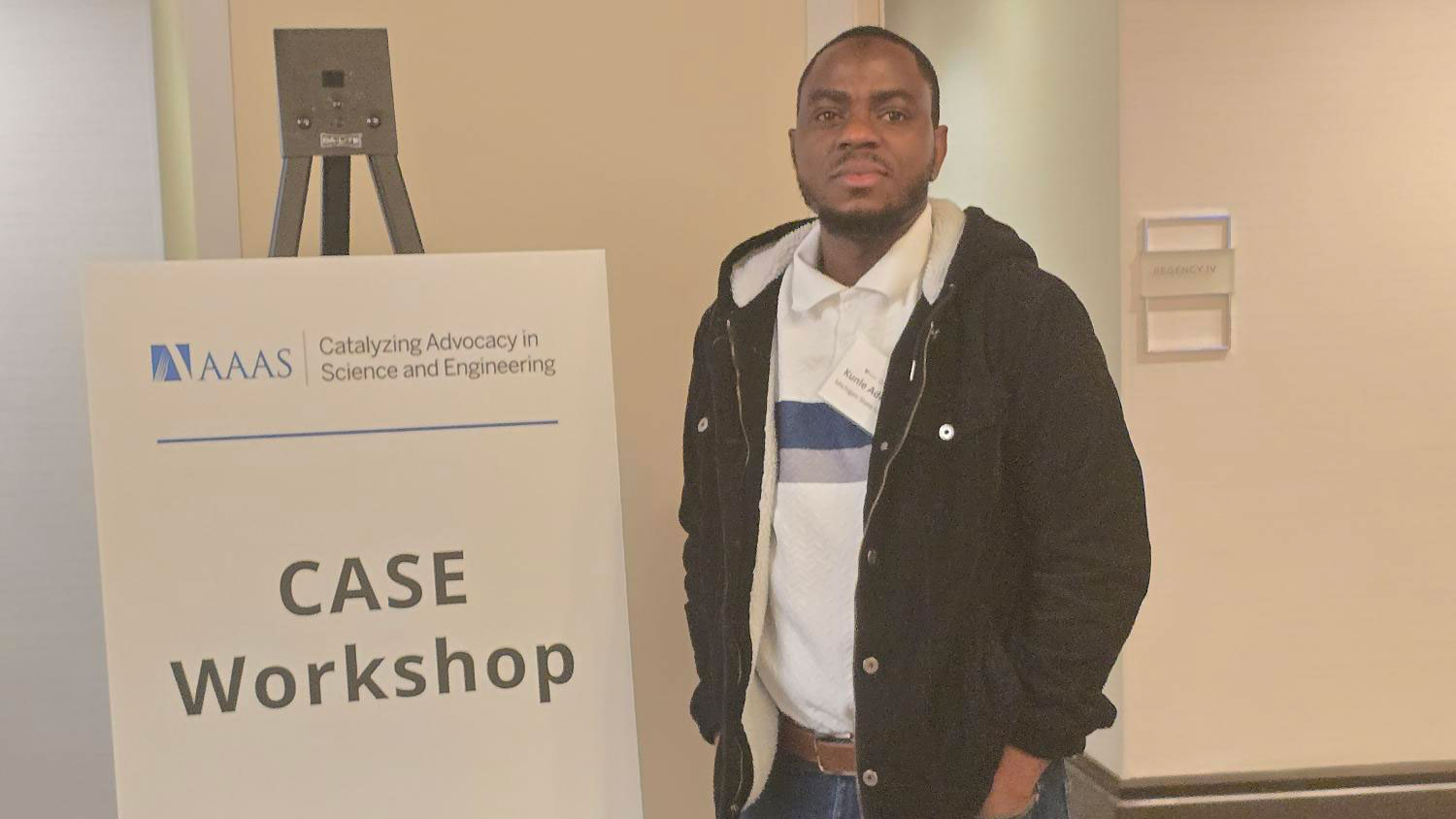
As a dual doctoral student in civil engineering and mechanical engineering, I was drawn to the workshop because I am interested in connecting advanced engineering research with science communication and public understanding. My academic work has taught me how to approach complex challenges with a technical mindset, but this experience showed me how important it is to communicate those ideas beyond the lab.
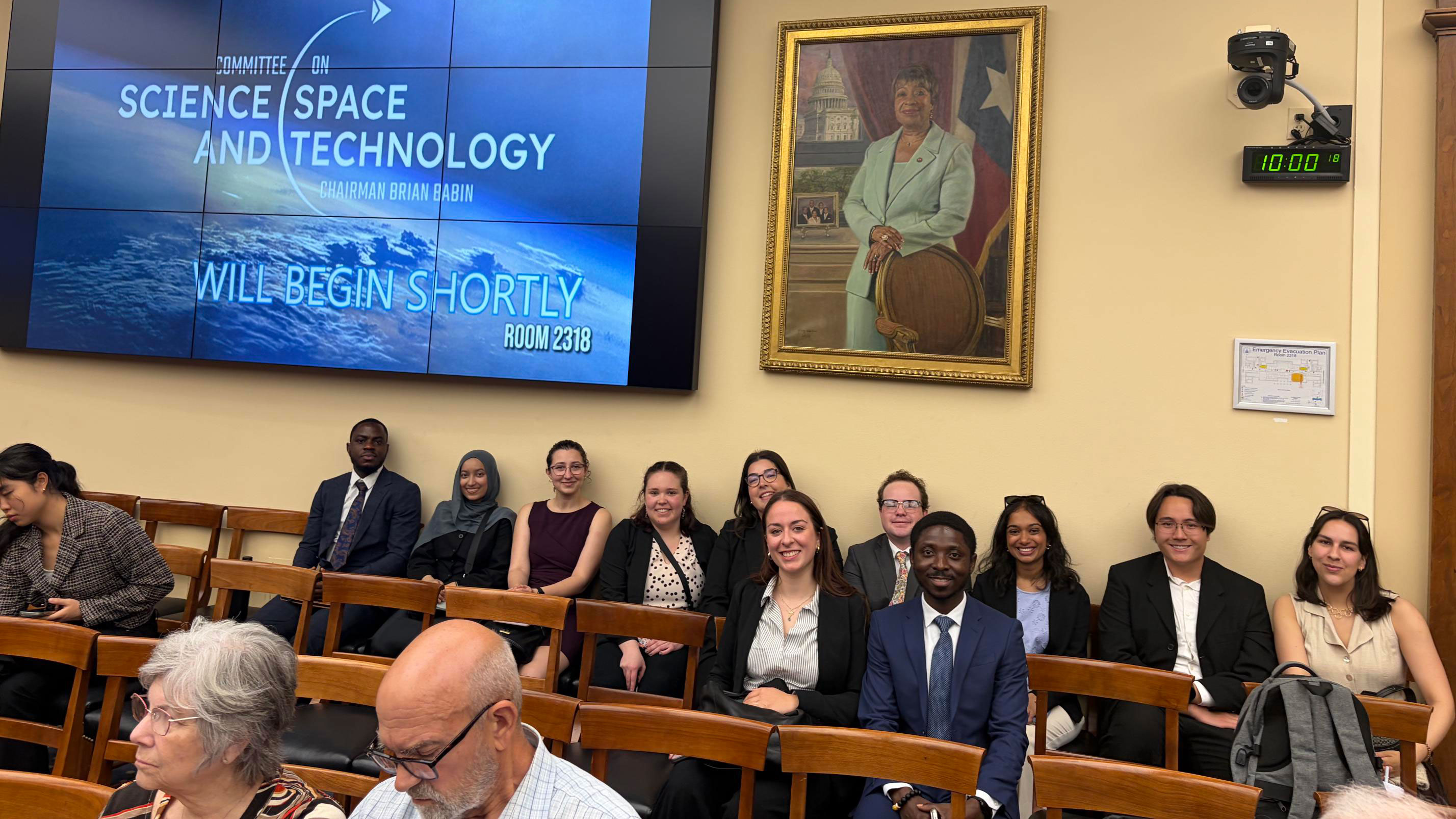
Before our meetings on Capitol Hill, the workshop provided training on science and technology policy, the federal budget process and how congressional offices operate. We also learned strategies for communicating effectively with policymakers and practiced how to advocate for research in a clear and accessible way.
By the time we arrived on Capitol Hill, I felt prepared to speak not only as a researcher, but also as someone representing the broader graduate student experience.
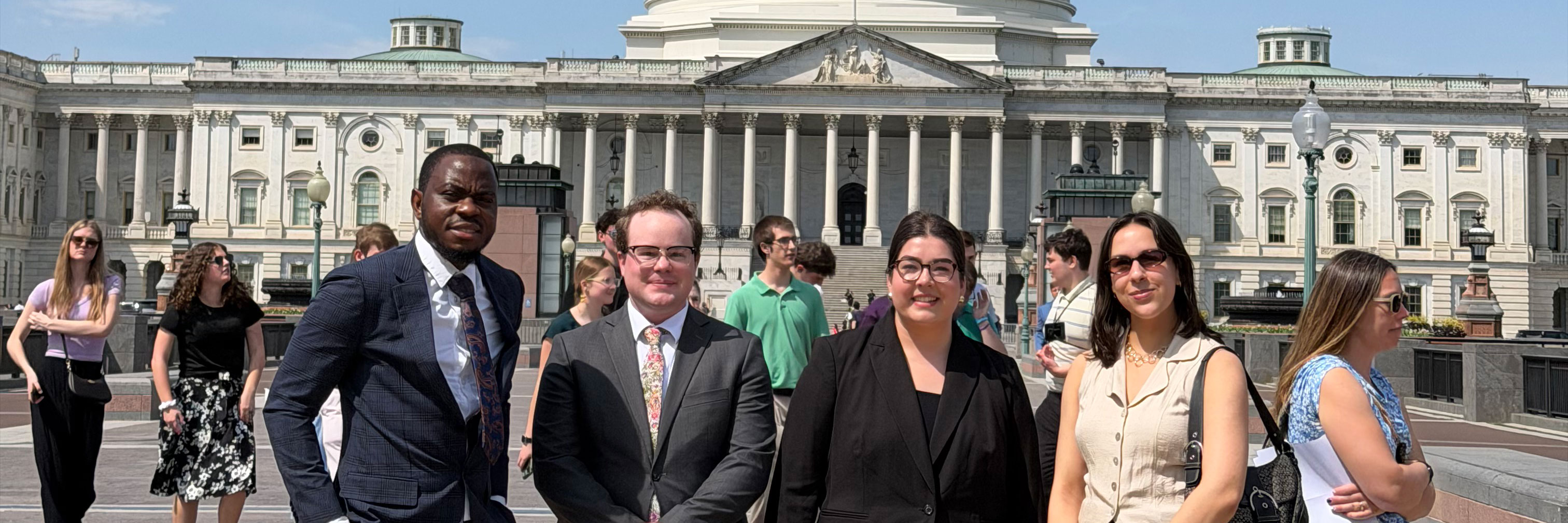
Together with fellow students from Michigan State University and the University of Michigan, I met with the offices of Elissa Slotkin, Haley Stevens, Tom Barrett, Hillary Scholten and Debbie Dingell. In those conversations, I advocated for federal support for research and STEM education, including support related to the National Science Foundation and NASA. I spoke about how those investments shape opportunities for students, strengthen research infrastructure and influence who can fully participate in the future of engineering and innovation.
What stayed with me most was seeing how much congressional offices valued the perspectives of students and researchers. It changed the way I think about my role as an engineer. I no longer see advocacy as separate from technical work. I see it as an extension of it.
If researchers want their work to make a broader impact, we have to be willing to explain why it matters and speak up for the resources and institutions that make progress possible.
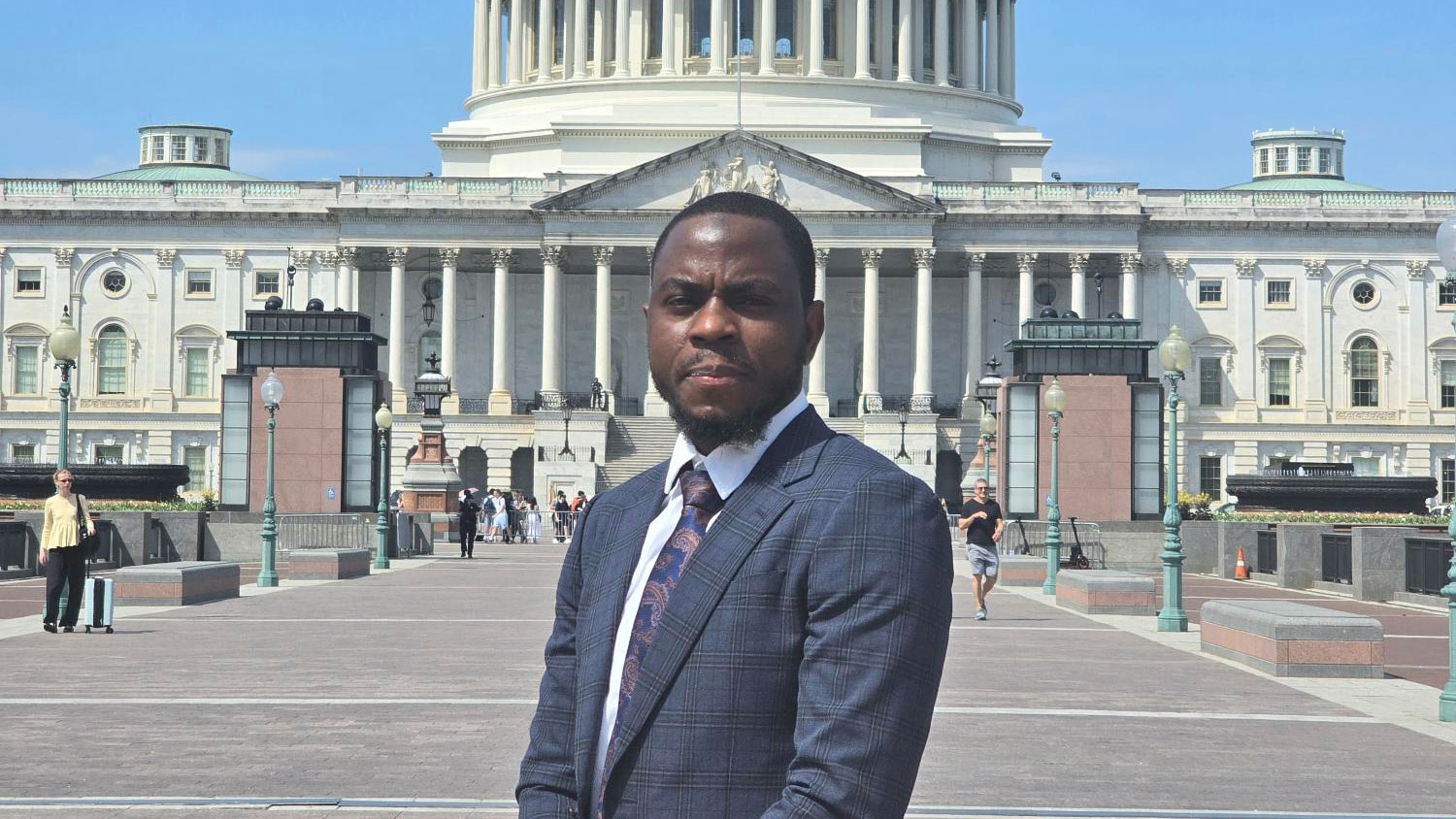
My background in civil and mechanical engineering shaped the way I approached those conversations. Engineering trains you to think in terms of systems, constraints and real-world consequences. That mindset helped me frame policy issues not as abstract debates, but as practical decisions that directly affect students, research programs and innovation.
I also believe more students should know about this opportunity. Experiences like the CASE Workshop show that policy is not distant from higher education or research. It is something students can help shape. For students who may feel they do not have a background in policy, that should not be a barrier. One of the most valuable things about this program is that it is designed to help students build that confidence from the ground up.
Looking ahead, I want to continue building on this experience through leadership, outreach and research. Whether I am mentoring students, leading hands-on STEM activities or advancing work related to future electric vehicles, I want to keep connecting technical innovation with real-world impact.
Michigan State has helped me see that engineering is not only about solving problems. It is also about helping others understand why those solutions matter.
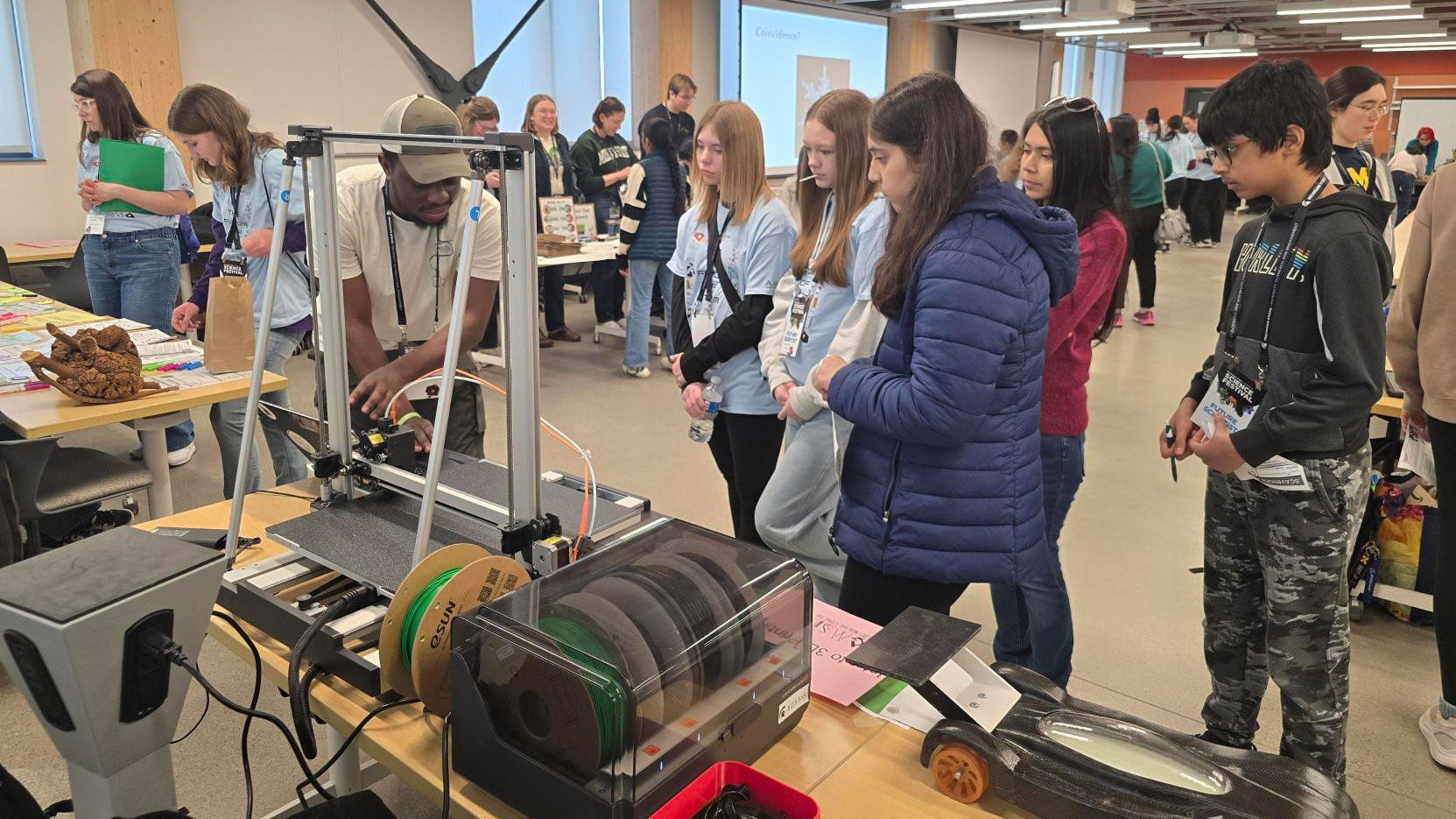
Written by Kunle Adeyemo, a dual doctoral student in civil engineering and mechanical engineering at Michigan State University.
MSU College of Engineering Media and Public Relations page