
MSU College of Engineering Media and Public Relations page
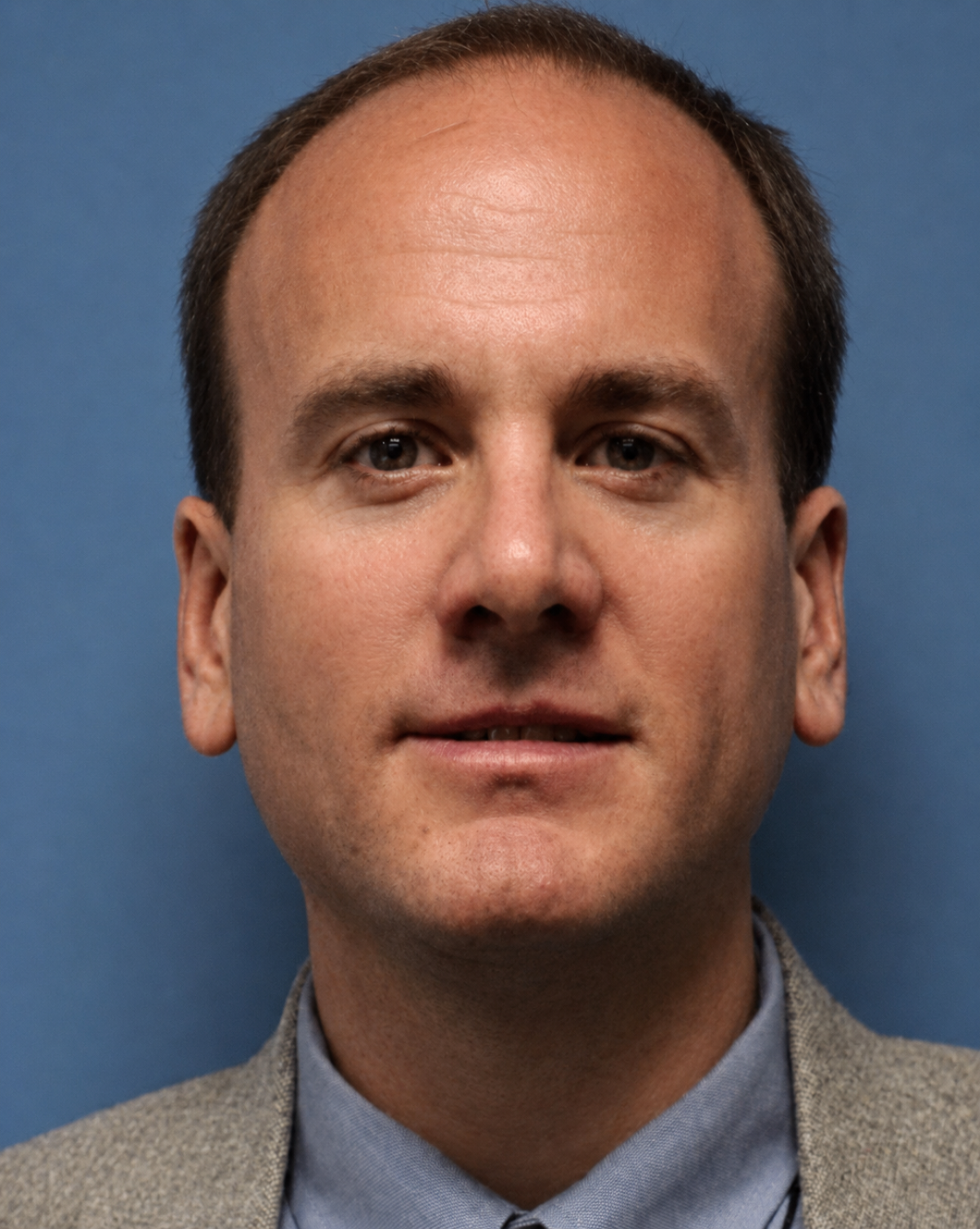
John Albrecht has been named interim associate dean for research for the College of Engineering at Michigan State University. His appointment begins Sept.1, 2026.
Albrecht has been a professor in the Departments of Electrical and Computer Engineering and Chemical Engineering and Materials Science since 2012. He has served as the executive director of the University Research Organization (URO) in the MSU Office of Research and Innovation since 2022 and will continue in the leadership role while serving as interim with the college.
He replaces John Verboncoeur, who after eleven years in the college research leadership role will return to his faculty position in the Departments of Computational Mathematics, Science and Engineering and Electrical and Computer Engineering.
Prior to Albrecht’s position with the URO, he served as executive director of the Fraunhofer USA Center Midwest, with a Laser Applications division in Plymouth, MI, and the Coatings and Diamond Technologies division on campus at MSU. He also held positions with federal government agencies.
Engineering Dean John Papapolymerou said the college has a long history of strong research leadership with significant opportunity on the horizon.
“I am pleased to welcome John Albrecht to our leadership team,” said Papapolymerou. “He brings extensive research and administrative experience that will help us sustain a strong portfolio and a collaborative focus on emerging and legacy research.”
Albrecht’s research interests are in the areas of electrical and thermal transport under high-field conditions in semiconductor devices, and in radio frequency (RF) electronics and integration. Before joining MSU, Albrecht was a program manager from 2009-2012 for the Defense Advanced Research Projects Agency (DARPA) where he established future directions in a nationally coordinated enabling hardware technology portfolio for microelectronic systems. His role involved close collaboration with the basic research communities at universities and other government laboratories. Prior to DARPA, he held positions at the Air Force Research Laboratory. Applications of his work over the last 30 years have been in the areas of RF and optoelectronic subsystems for sensors, communications, and EW. His doctoral training was in semiconductors and physical electronics at the University of Minnesota.
A search for the college’s next associate dean for research is in the planning stages.