
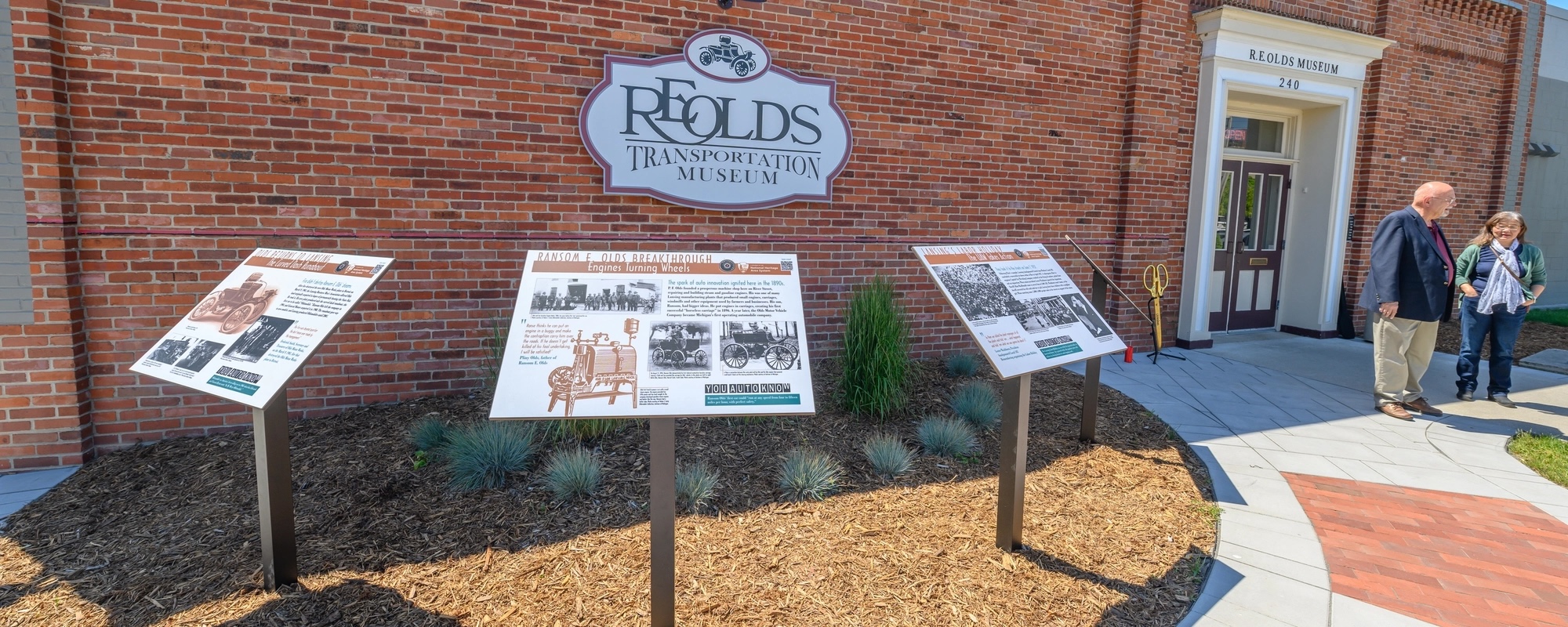
Michigan has long been a leader in automotive innovation and manufacturing. While Detroit is recognized as the heart of the U.S. auto industry, communities across the state have also played important roles in shaping Michigan's automotive legacy. Lansing is one such city.
To highlight Michigan’s automotive heritage, a program funded by the Federal Highway Administration and administered through the Michigan Department of Transportation in part features Michigan State University’s connection to Lansing’s automotive legacy.
The Wayside Exhibit created by MotorCities National Heritage Area showcases a series of outdoor exhibits across the MotorCities region that commemorate the state's automotive history and increase public awareness of its lasting impact.
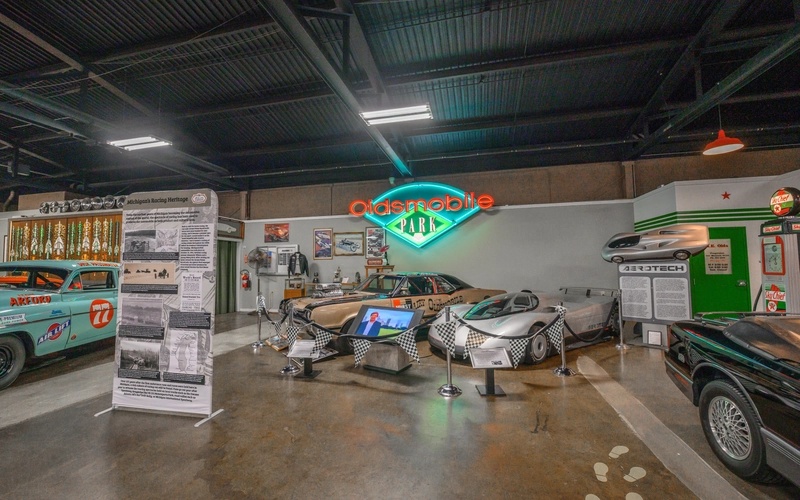
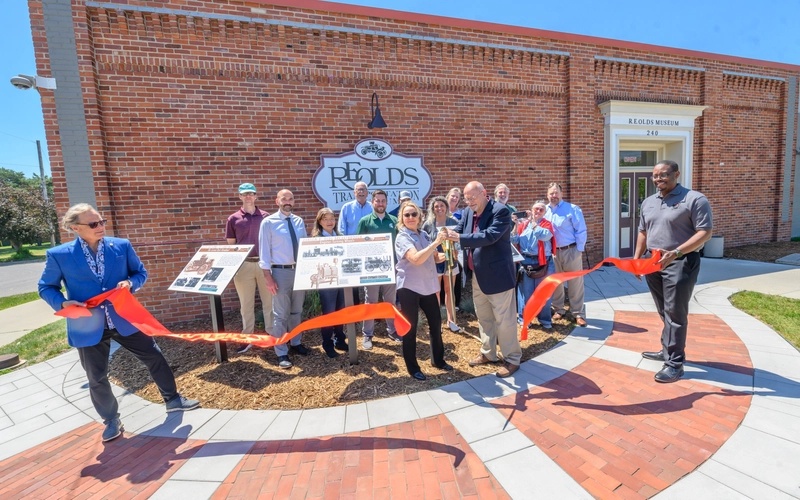
The project launched at Lansing locations on June 3, honoring the birthday of Ransom Eli Olds, who founded the Olds Motor Vehicle Company in Lansing — the state’s first successful automobile manufacturer — and who later established the independent REO Motor Car Company.
Twelve signs were installed across three locations in the city, highlighting Lansing’s long-standing contributions to Michigan’s automotive industry. Among them are signs at the R.E. Olds Transportation Museum that highlight Olds’ return to Lansing, his automotive innovations and the Lansing Labor Holiday.
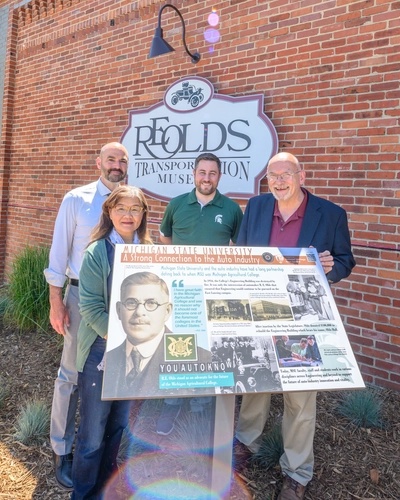
John P. Beck, associate professor emeritus at the School of Human Resources and Labor Relations, said that including a sign highlighting MSU’s connection to Lansing’s automotive history was important.
The MSU sign is particularly significant because it highlights Olds’ investment in a new engineering building after the previous one had burned in 1916..
“Olds’ investment in keeping engineering at MSU ensured that we would still have engineering today as we do, and from that time forward there’s always been a strong interest in engineering at MSU,” Beck said.
At Turner Park, the signs explore Lansing’s Old Town industrial heritage, the invention of the Motor Wheel, the city’s role as the “Drop Forge Capital of the World” and the contributions of its urban and rural workforce.
The series concludes in REO Town, where the signs explore the history of the Lansing neighborhood; the construction of Interstate 496; the United Automobile, Aerospace and Agricultural Implement Workers of America, or UAW; the Allied Industrial Workers of America, or AIW; and Lansing during World War II.
Each location explores a different chapter of Lansing’s automotive history, highlighting the city’s role in shaping the industry over the past century. Three additional signs are planned for Charlotte, with exhibits at two other locations in development.
Read more of this story written by Riley Wilson at MSUToday.
MSU College of Engineering Media and Public Relations page