


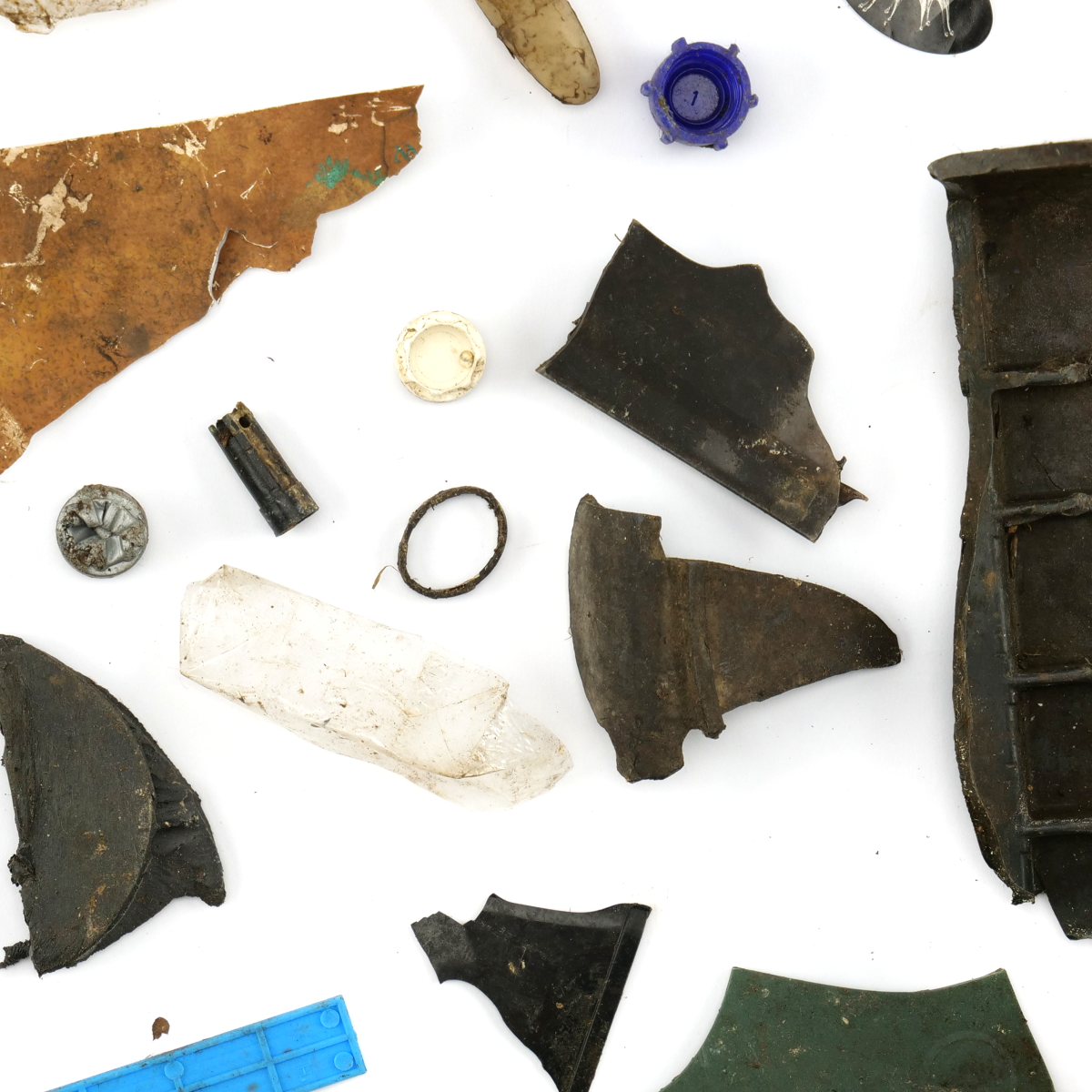
Could a curtain of air bubbles help prevent plastic waste from reaching Lake Michigan?

A recent feature in Smithsonian magazine explores plans to bring an innovative Dutch technology known as the Bubble Barrier to Lansing's Grand River, highlighting research involving Michigan State University professor Phanikumar Mantha.
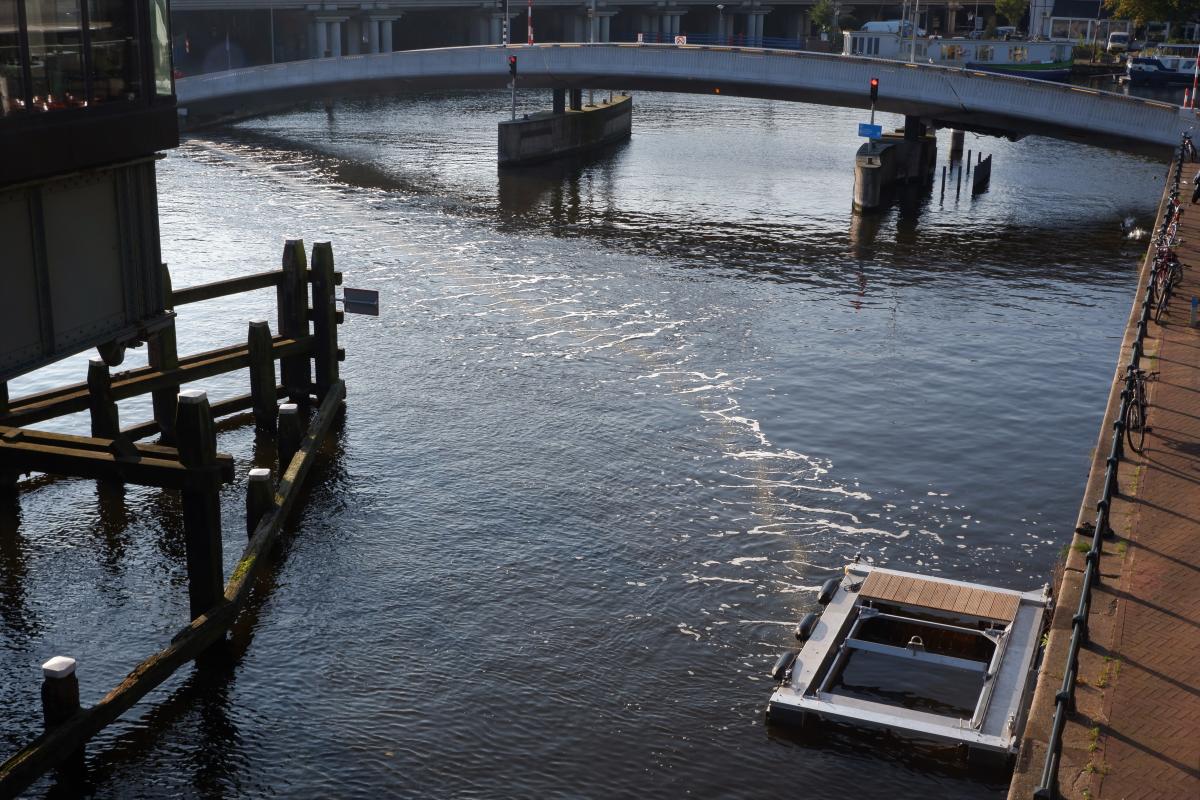
The Bubble Barrier, developed by Dutch social enterprise The Great Bubble Barrier, uses air pumped through a perforated tube along the bottom of a waterway to create a curtain of bubbles. The rising bubbles carry plastic debris toward the surface, where the water’s natural flow helps direct it into a collection system positioned along the side of the waterway for removal.
The technology has been operating in Amsterdam since 2019, with additional installations in the Netherlands. The proposed Lansing project would be the first installation of its kind in the United States.
Mantha, a professor in MSU's Department of Civil and Environmental Engineering, is among the researchers studying how the technology could perform in Michigan's waterways and what environmental impacts it might have.
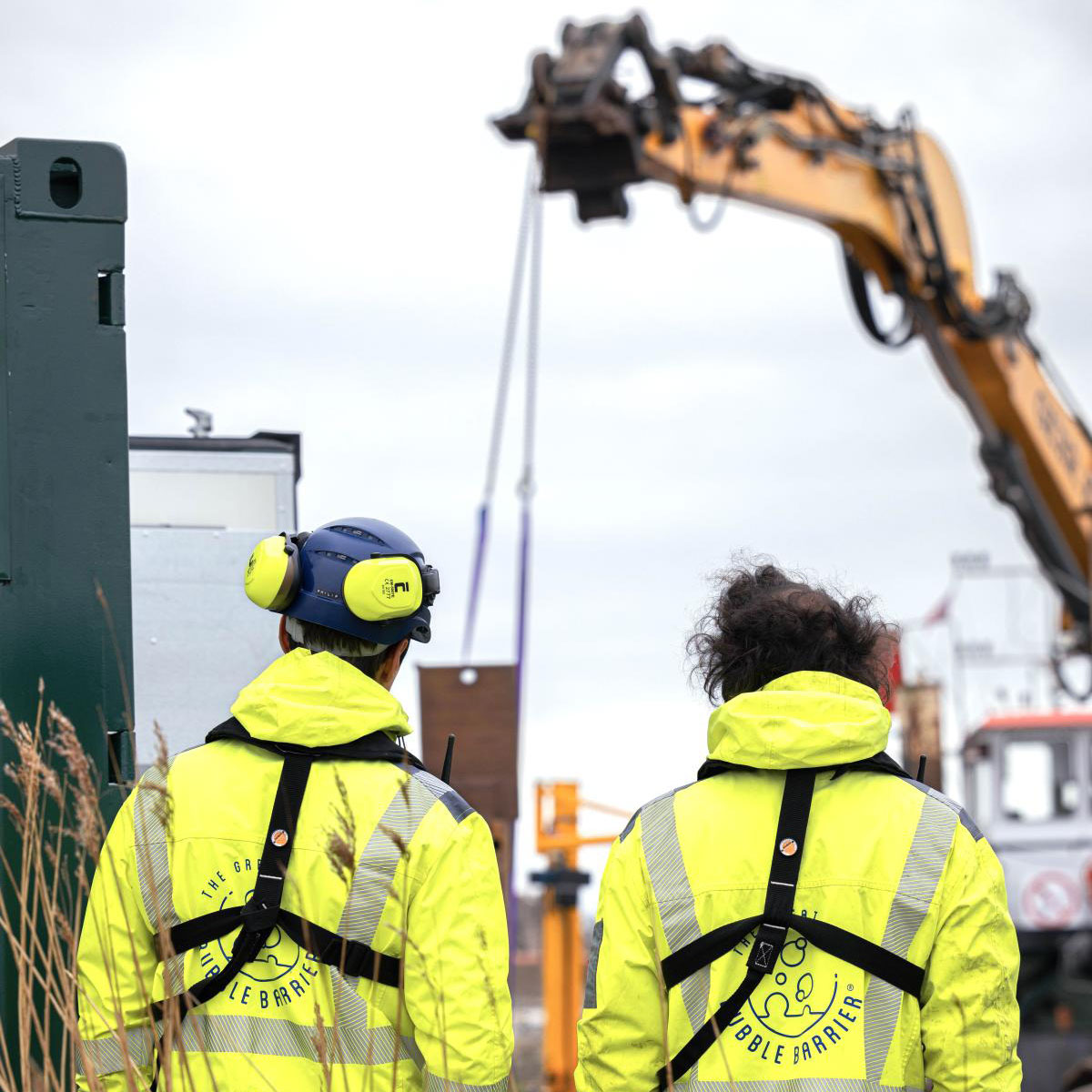
Compared with the canals where the technology has been deployed in the Netherlands, the Grand River presents different engineering challenges. Its varying water depths and flow conditions raise questions about how the system would function in a free-flowing river.
The proposed project brings together researchers, government agencies, industry partners and community organizations to explore an approach to reducing plastic pollution. Installation remains contingent on additional approvals and funding.
The research could help determine whether this technology is suitable for the Grand River and inform future efforts to protect Michigan's freshwater systems.
Read the full Smithsonian magazine feature, “Could This Dutch Invention Help Tackle Plastic Pollution in America’s Waterways?”, by Hannah Docter-Loeb, published Oct. 9, 2026.
Written by Austin J. Witt
MSU College of Engineering Media and Public Relations page