
More than 200 researchers, industry leaders, entrepreneurs, investors, policymakers and government partners gathered in East Lansing on Aug. 11 for the 2026 Mobility Summit, themed “Michigan Moves: Building the Next Mobility Economy.”
Co-hosted by MSU Mobility and the MSU Research Foundation, the daylong summit explored the forces reshaping mobility and Michigan’s ability to compete in a rapidly changing industry.
Supported by Waymo, the Michigan Economic Development Corporation and the Michigan Outdoor Recreation Industry Office, the program included conversations on autonomous transportation, emerging technologies, advanced air mobility, defense innovation, commercialization and global supply chains.
Spartan Engineering faculty, researchers and student teams joined leaders from across MSU, industry and government to examine the technologies and partnerships shaping the future of mobility.
“The Mobility Summit is really a reflection of how we approach mobility at Michigan State University. Bringing together deep technical expertise in engineering with business, law, communication sciences, and other perspectives from across the university is what we do at MSU. Connecting the resulting interdisciplinary research directly with industry, venture investors, and government is our goal,” said Judd Herzer, director of mobility research and innovation at MSU. “Engineering is at the heart of so much of the innovation happening in mobility, but the challenges we’re trying to solve don’t fit neatly within any one discipline or organization. What makes MSU’s approach powerful is our ability to bring those capabilities together around real-world problems and build partnerships that can move research from the lab into deployment.”
Michigan’s changing mobility landscape
Herzer opened the summit before a keynote fireside conversation featuring Shashank Priya, MSU vice president for Research and Innovation, and Jim Quesenberry of Magna International. David Washburn, CEO of the MSU Research Foundation, moderated the discussion.
The conversation focused on how stronger partnerships among universities, industry and other organizations could help Michigan maintain its competitive position as mobility technologies continue to evolve.
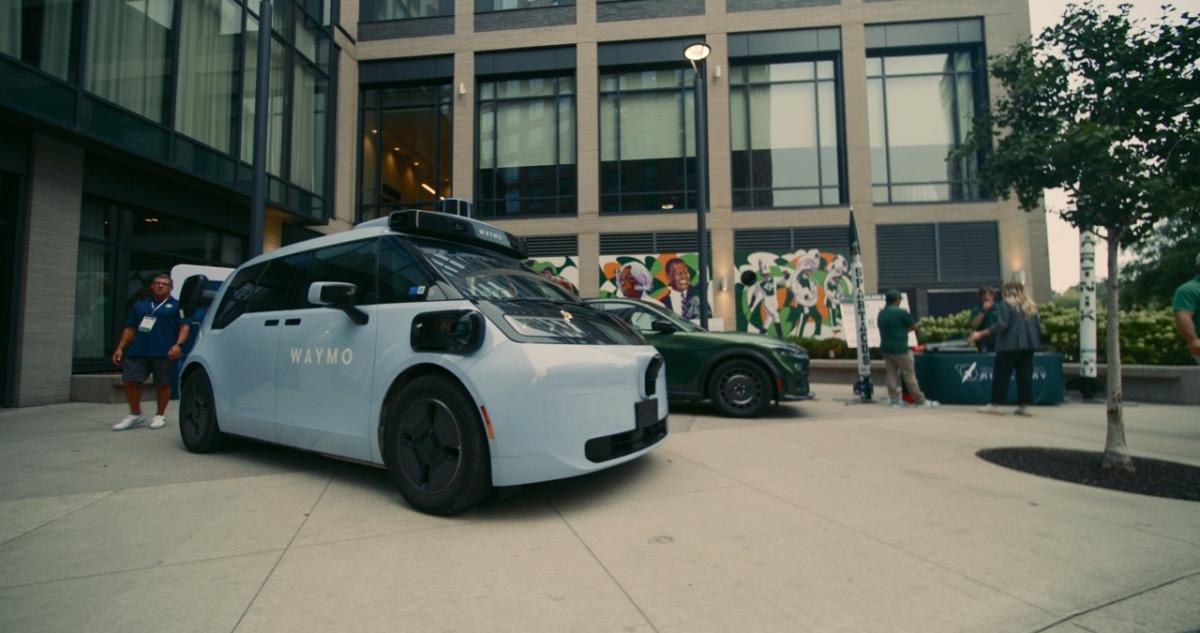
Autonomous transportation was another major focus of the summit. Justine Johnson, Michigan’s chief mobility officer, moderated a discussion that included leaders from Toyota Motor North America, Ford Motor Co., Waymo and other organizations.
Participants included Derek Caveney of Toyota Motor North America, Emily Frascaroli of Ford Motor Co. and Lara Dailey of Waymo. The discussion explored roadway safety, infrastructure, human factors, public trust and policy, with a focus on what will be required to deploy autonomous vehicles safely and at scale.
Caption: A Waymo autonomous vehicle is displayed during the 2026 Mobility Summit in East Lansing.
Technologies ready for industry engagement
Three College of Engineering researchers presented technologies ready for industry engagement during a series of lightning talks.
Technologies included:
- Chengcheng Fang - Lightning Talk - Current Collector, innovations in ultralight and ultrathin current collectors for lithium batteries
- Nizar Lajnef - Lightning Talk - Infratico, infrastructure monitoring technology combining sensors, drones and analytics software
- Josh Siegel - Lightning Talk - AI Mechanic, technology that uses a smartphone microphone to help diagnose vehicle problems by analyzing sound
Lajnef is a professor in MSU’s Department of Civil and Environmental Engineering. Fang is an assistant professor in the Department of Chemical Engineering and Materials Science. Siegel is an associate professor in the departments of Computer Science and Engineering and Electrical and Computer Engineering.
Spartan Engineering in the conversation
Engineering faculty also contributed to discussions on aerial mobility, defense technology and cross-college collaboration.
Spartan Engineering participants included:
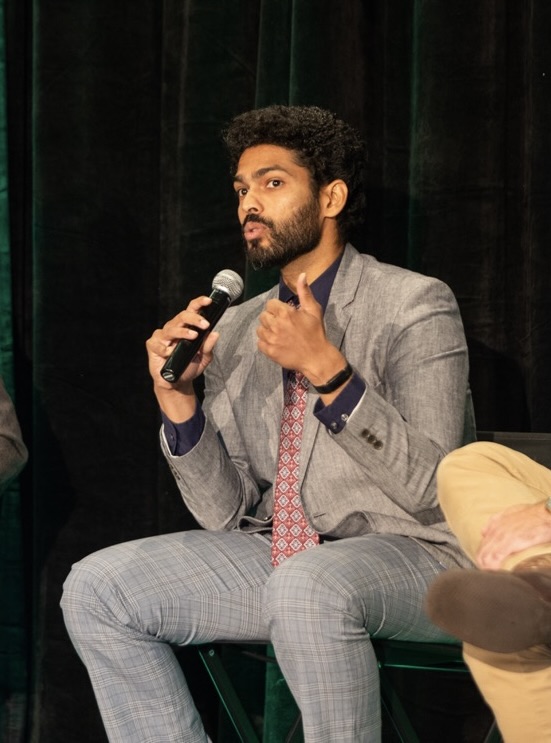
- Surya S.C. Congress - Panelist - “Skyward: Michigan in the Air”
- Satish Udpa - Moderator - “Built Together: MSU’s Cross-College Model”
- John Verboncoeur - Panelist - “Built Together: MSU’s Cross-College Model”
- Mahmoodul Haq - Panelist - “Arsenal of Democracy: Michigan’s Next Mission”
The aerial mobility discussion examined drones, autonomous systems, airport applications and barriers to real-world deployment. The cross-college panel explored how expertise from throughout MSU can support increasingly complex mobility research and commercialization.
Mobility, defense and global competition
U.S. Rep. Tom Barrett opened the summit’s afternoon sessions with remarks on mobility and national defense, setting the stage for “Arsenal of Democracy: Michigan’s Next Mission.”
The discussion included Haq, Talia Marie Sebastian of the U.S. Army DEVCOM Ground Vehicle Systems Center and Chris Thomas of Assembly Ventures.
Panelists explored Michigan’s potential role in dual-use mobility technologies, defense manufacturing, federal procurement, applied research, investment and the challenge of moving emerging technologies into defense applications.
Global competition also took center stage during “Michigan’s Supply Chain: Built to Compete.”
Tu Le of Sino Auto Insights provided an assessment of China’s mobility supply chain and what it means for Michigan manufacturers. The discussion also included Sriram Narayanan of Michigan State University and Katie O’Brien of Toyota Motor North America.
The conversation examined where Michigan can compete globally, which capabilities the state must strengthen and what decisions industry, government, universities and investors need to make as the mobility economy continues to change.
Innovation on display
The summit extended beyond panel discussions and presentations.
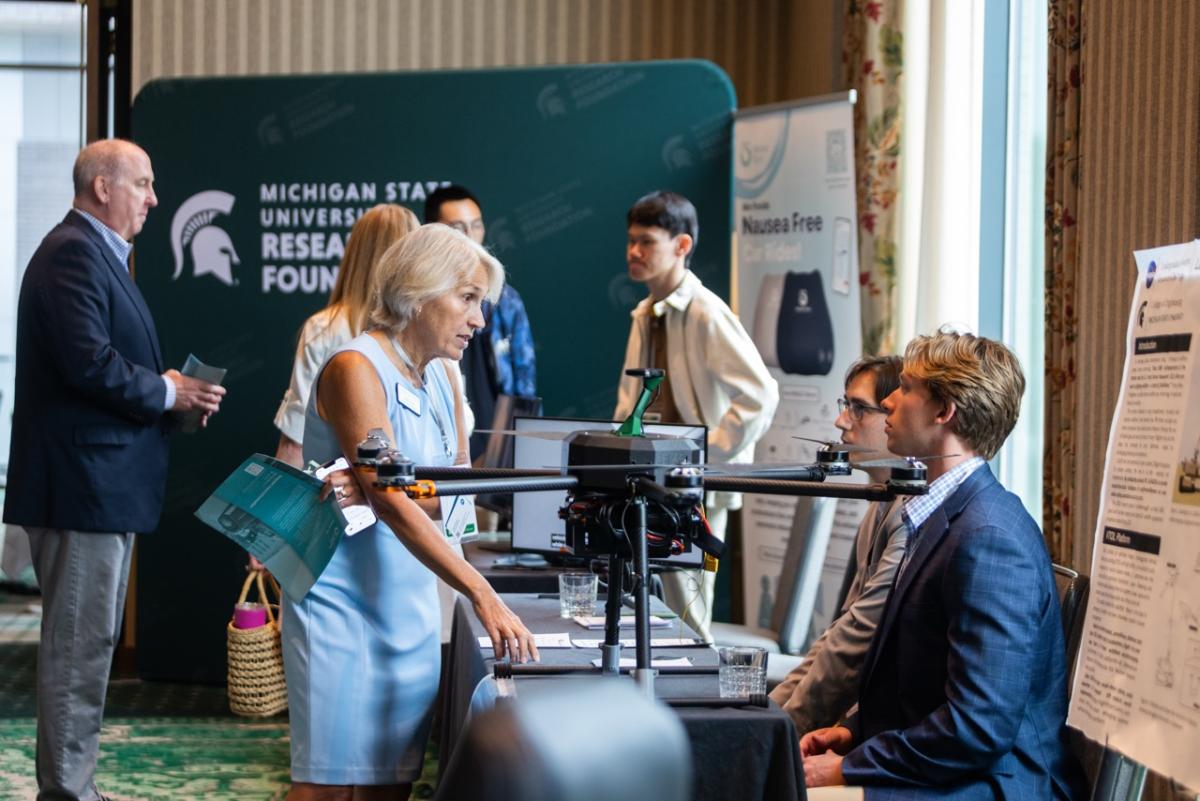
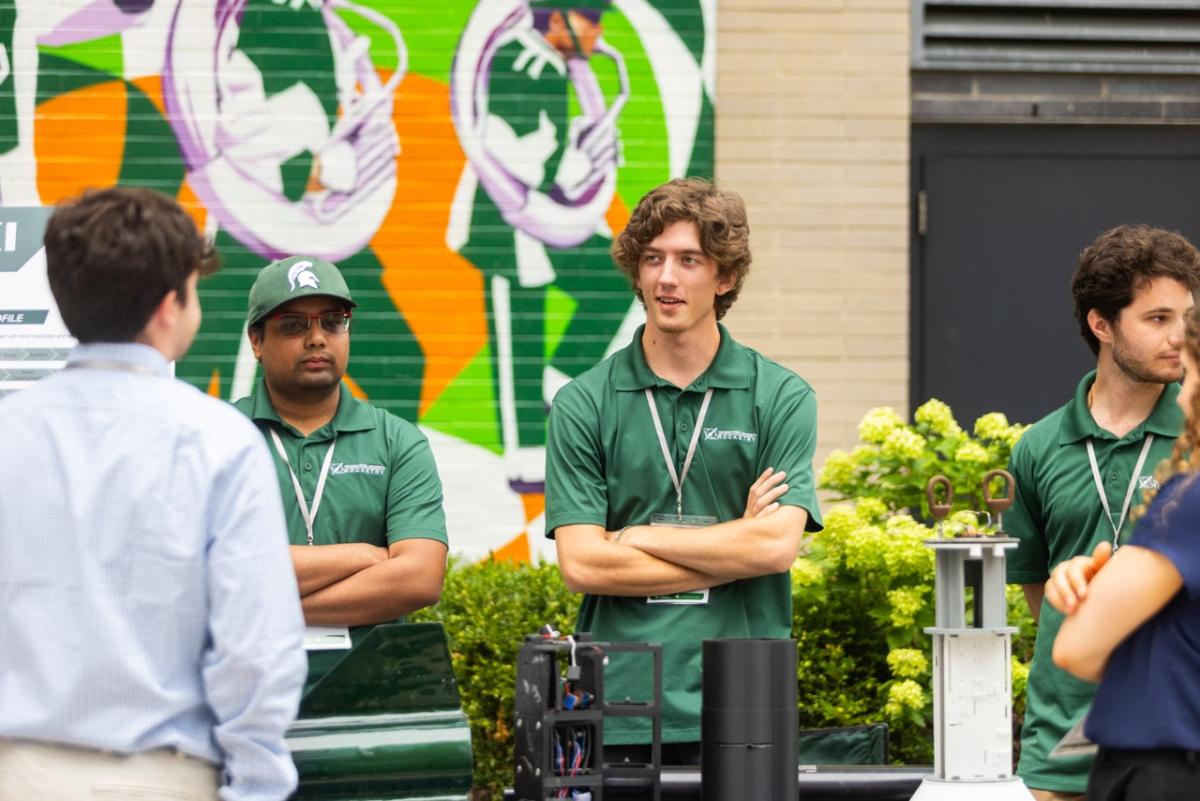
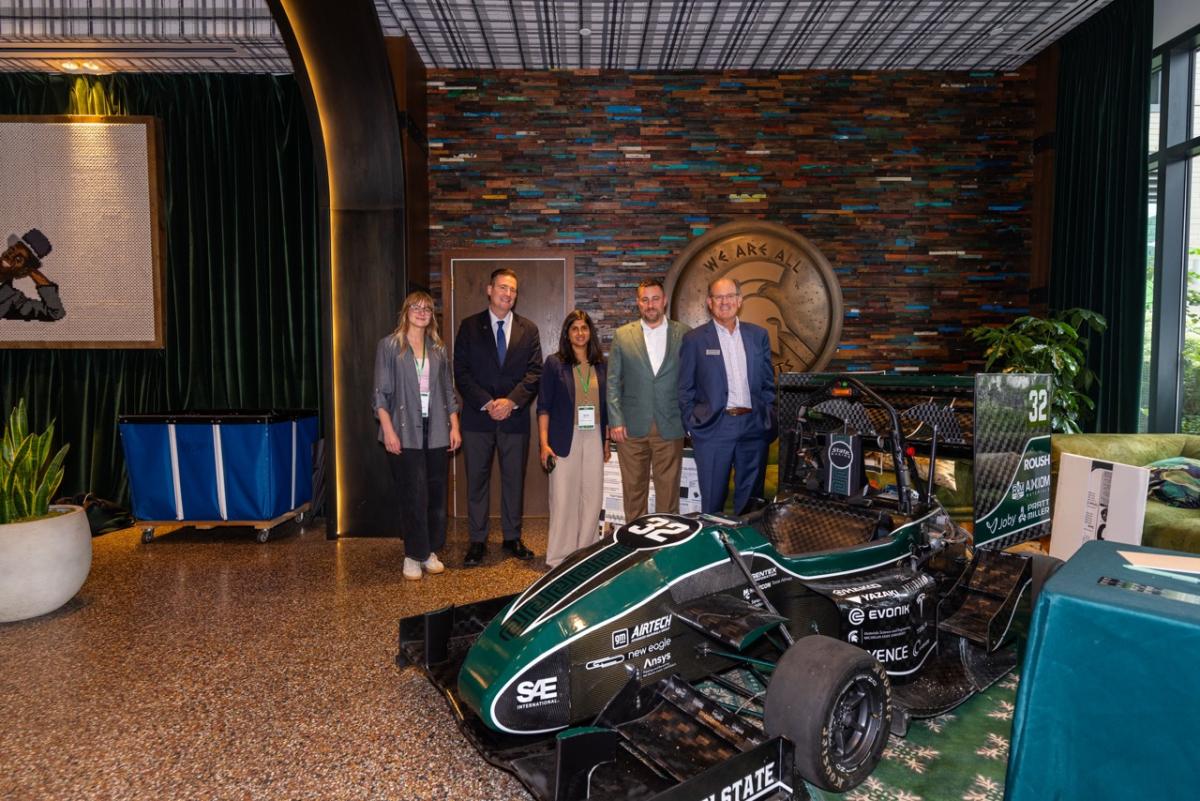
The expo featured MSU Drone Research and Innovative Flight Technologies, the MSU Formula Racing Team, the MSU Industrial Training and Assessment Center, the MSU Rocketry Team and SpartanXpress, MSU’s fully electric automated transit bus.
Industry partners, startups and other organizations also showcased vehicles and emerging mobility technologies.
The displays offered attendees a closer look at how university research, experiential learning, entrepreneurship and industry collaboration are contributing to Michigan’s mobility ecosystem.
Caption: MSU Drone Research and Innovative Flight Technologies is a student-led aerospace and engineering team developing autonomous vertical takeoff and landing systems.
Recognizing mobility leadership
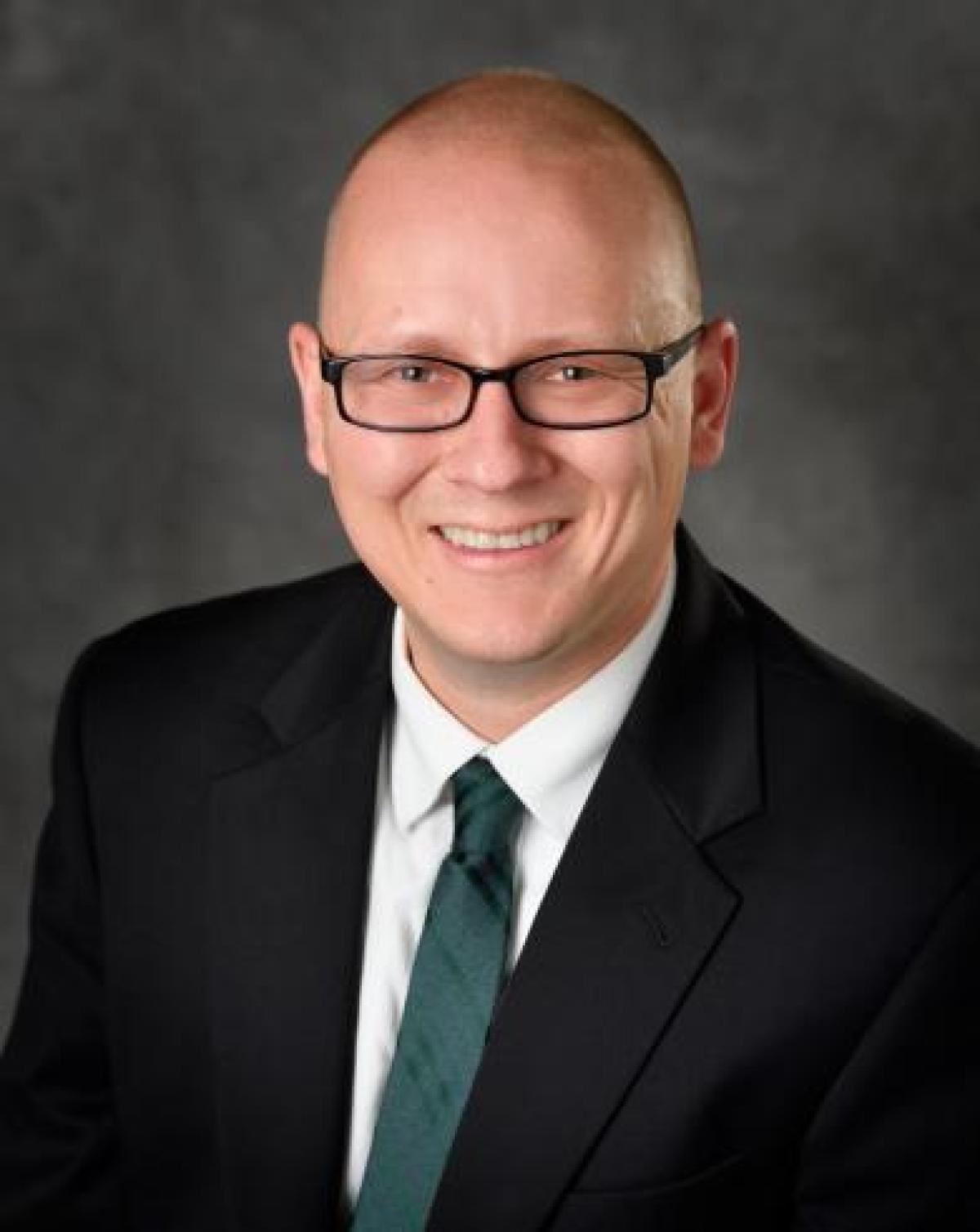
The summit also included the Satish Udpa Mobility Awards, named in honor of the founding leader of the MSU Mobility program.
Peter Savolainen , chair of MSU’s Department of Civil and Environmental Engineering and an MSU Research Foundation Distinguished Professor, was named Faculty Member of the Year in recognition of his contributions to mobility research, collaboration and innovation.
Jim Quesenberry of Magna International was recognized as Council Member of the Year.
Peter Savolainen, chair of the Department of Civil and Environmental Engineering, was named Faculty Member of the Year during the Satish Udpa Mobility Awards.
Throughout the summit, discussions emphasized stronger connections across Michigan’s mobility ecosystem, the importance of moving emerging technologies into real-world use and continued collaboration as global competition accelerates.
For MSU and its partners, those challenges span disciplines and technologies, from autonomous vehicles and infrastructure to batteries, drones, artificial intelligence, manufacturing and defense applications.
Learn more about MSU Mobility and the 2026 Mobility Summit.
Written by Austin Witt
MSU College of Engineering Media and Public Relations page