


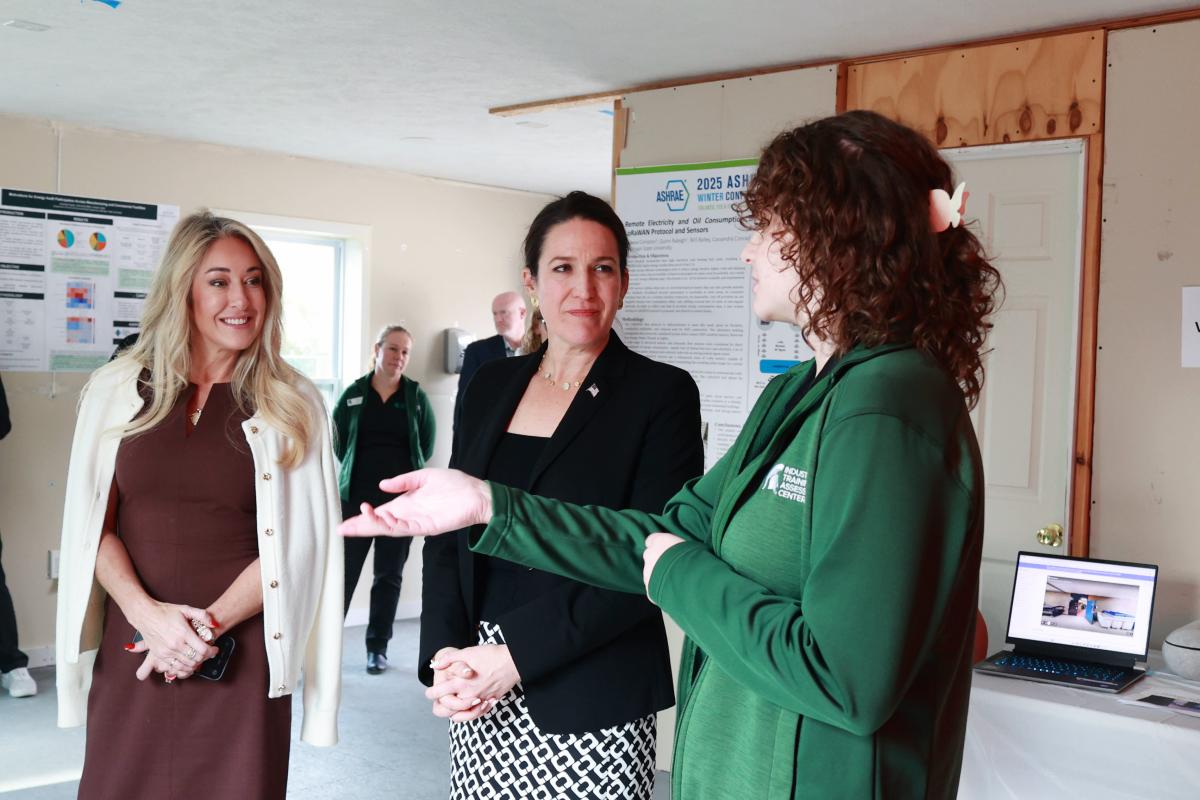
Assistant Secretary of Energy Audrey Robertson and officials from the U.S. Department of Energy (DOE) Office of Critical Minerals and Energy Innovation visited Michigan State University on Oct. 27 to learn how MSU's Industrial Training and Assessment Center (ITAC) helps Michigan businesses save energy, improve productivity and reduce waste while preparing a knowledgeable energy workforce.
The DOE-funded center provides no-cost technical assessments to eligible small and medium-sized manufacturers and commercial building operators. Working with faculty and students, the center evaluates energy use and industrial operations to identify opportunities for reducing costs, improving productivity and minimizing waste.
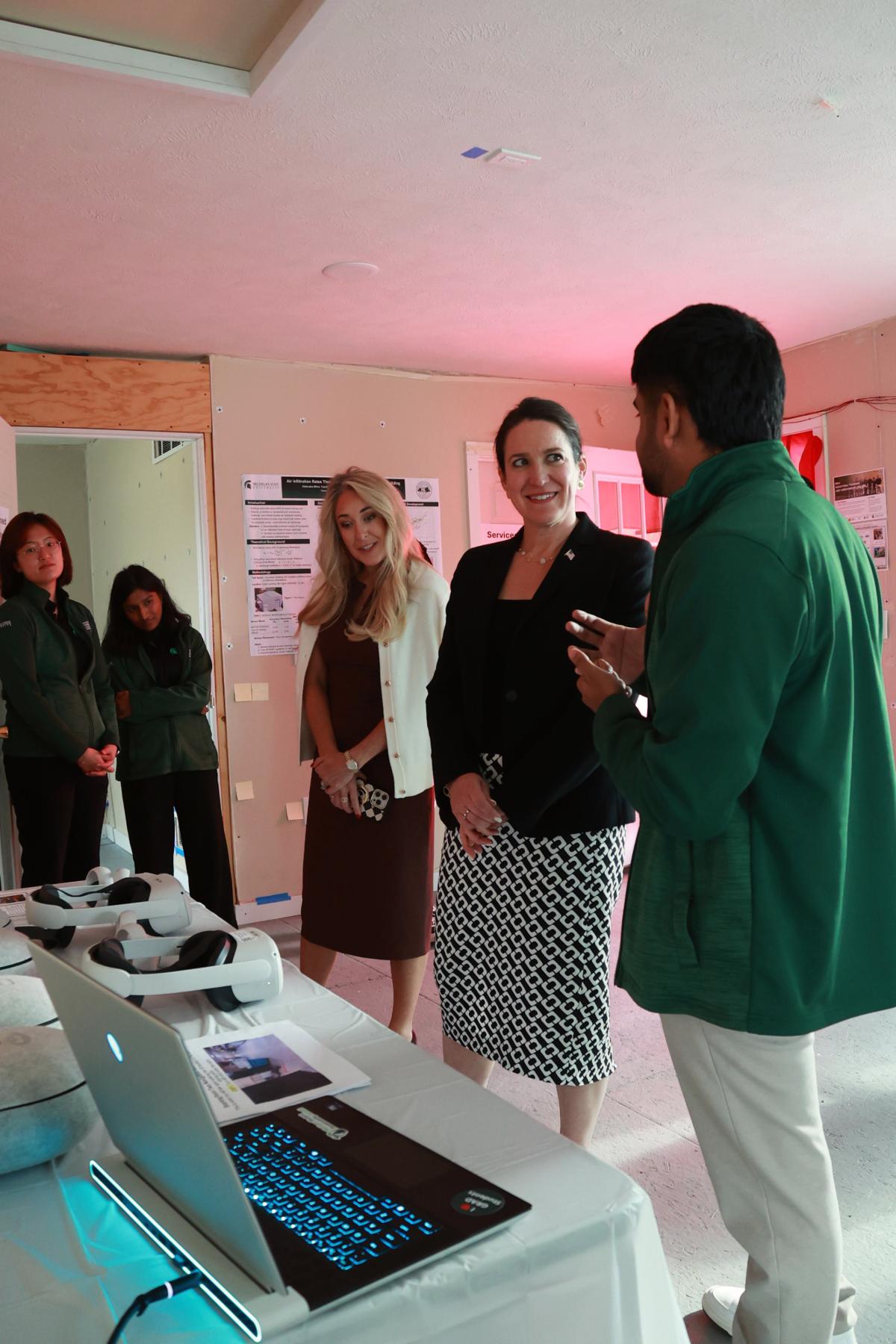
DOE officials met with ITAC leadership, students and workforce development representatives, toured the MSU Civil Infrastructure Laboratory and learned how the program, which has operated at MSU since 2021, connects technical assistance for businesses with hands-on engineering education and workforce preparation.
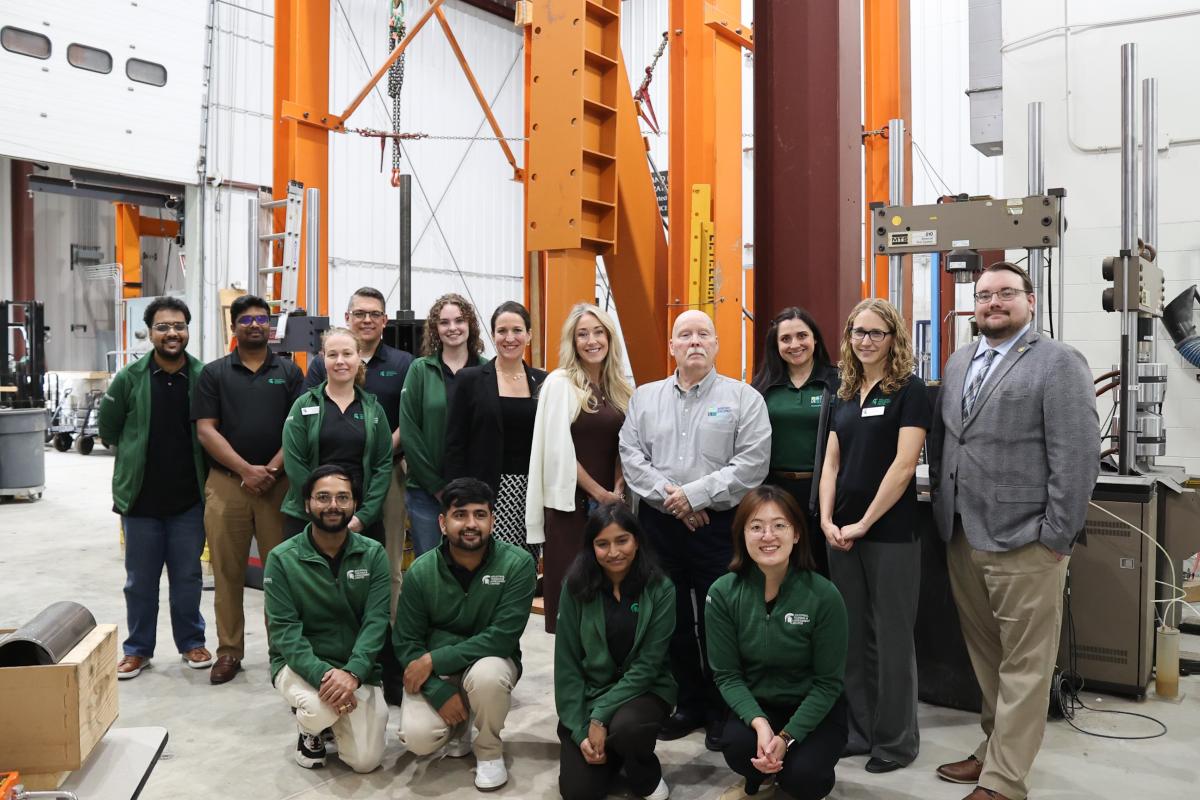
The center is led by Kristen Cetin, Red Cedar Distinguished Professor in MSU's Department of Civil and Environmental Engineering. The program serves two interconnected purposes: helping businesses improve their operations while preparing students to meet the evolving technical demands of industry.
According to Cetin, MSU ITAC has worked with 150 manufacturers and trained 110 students over the past five years. ITAC collaborates with Michigan Technological University and Henry Ford College.
“MSU’s Industrial Training and Assessment Center demonstrates the academic excellence, spirit of collaboration, and forward-thinking approach that the Department of Energy seeks to foster through its partnerships with American universities,” said Assistant Secretary of Energy Audrey Robertson. “By delivering practical assistance to Michigan manufacturers, this program helps businesses reduce costs and improve productivity while equipping students with the skills and hands-on experience they need to succeed in America’s energy and manufacturing industries.”
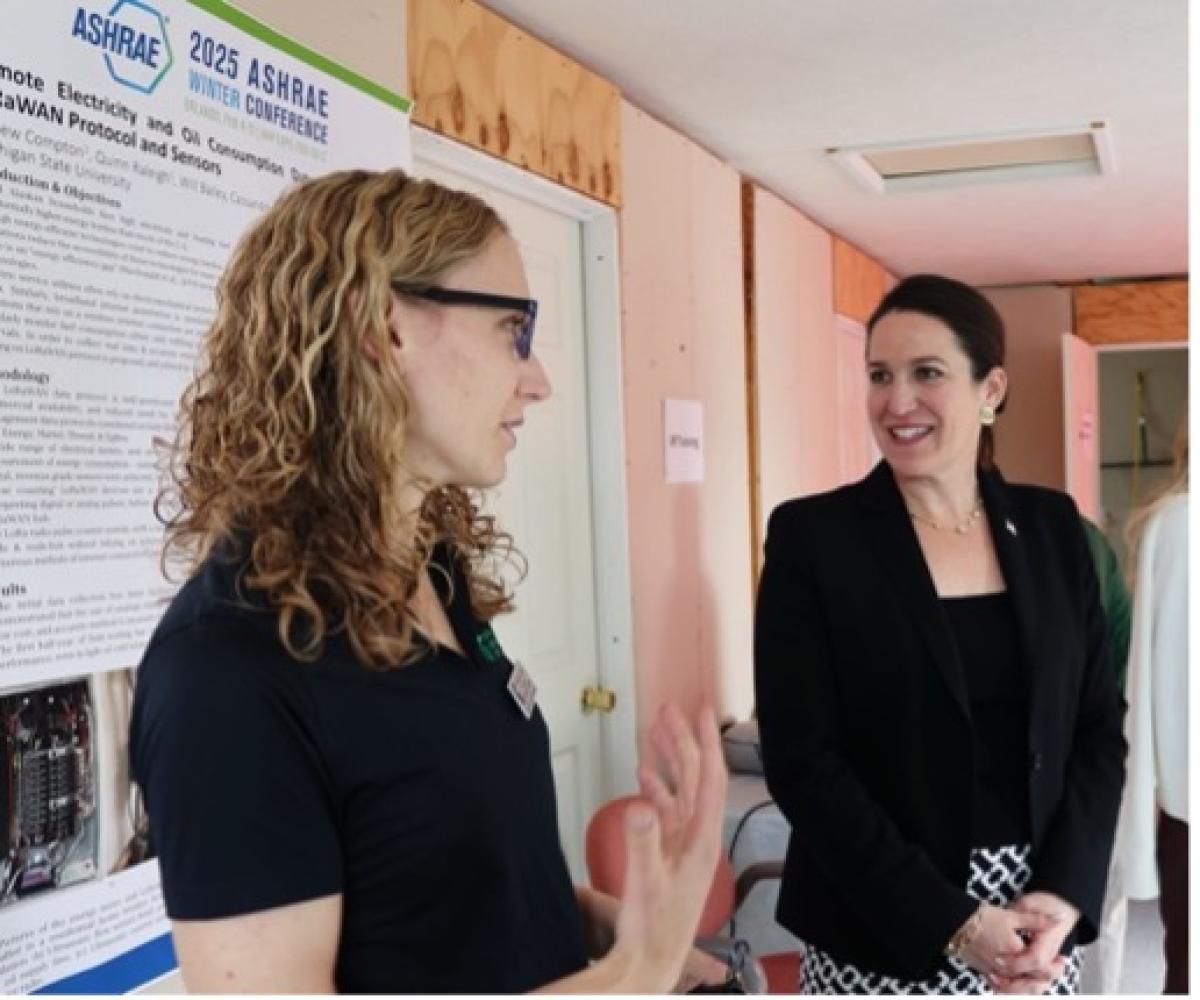
Connecting engineering education with industry
Following an assessment conducted by ITAC faculty and students, participating businesses receive recommendations outlining potential improvements, estimated savings and implementation costs.
Cetin reports that 50% of MSU ITAC’s recommendations are implemented by manufacturers. Nationwide, DOE reports that ITAC assessments identify an average of $144,000 in potential annual savings per facility.
"Our goal is to give students opportunities to work through the same challenges they will encounter in industry," Cetin said. "By working directly with manufacturers, they learn how to evaluate complex systems, communicate with clients and translate technical findings into practical recommendations. At the same time, we're helping businesses identify opportunities to improve their operations."
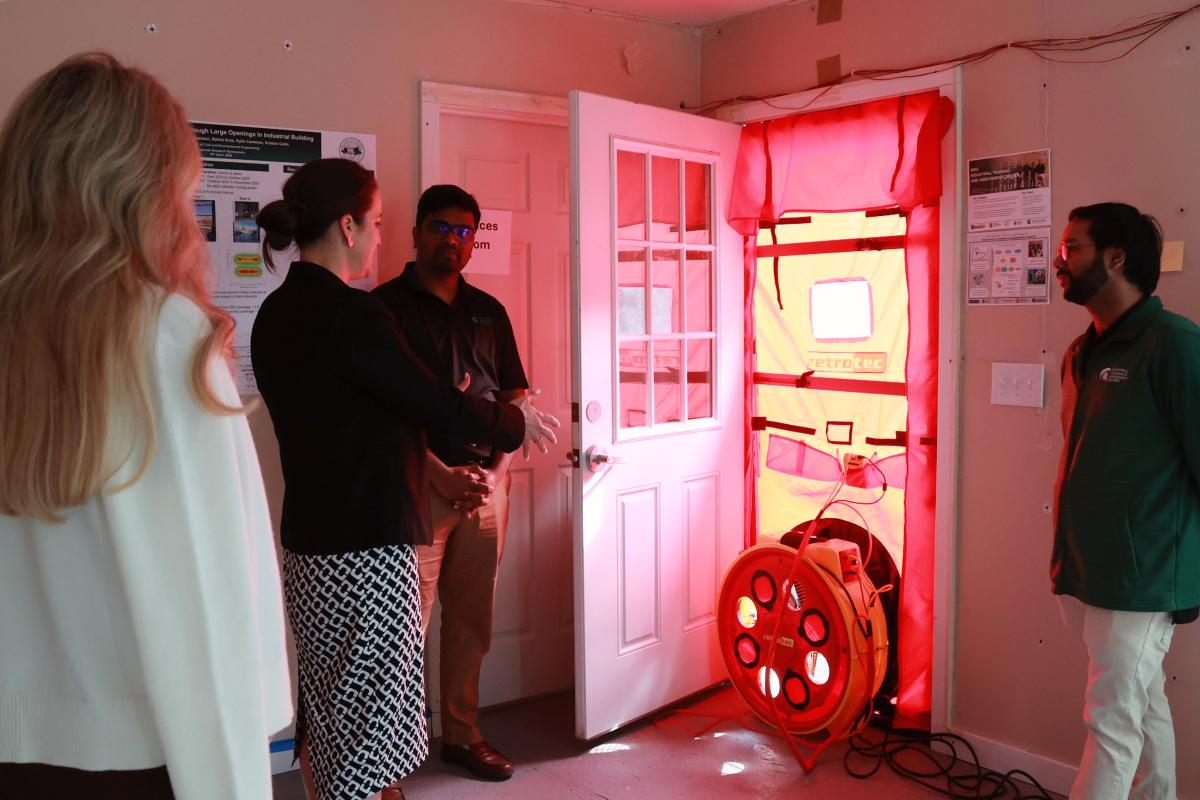
During the laboratory tour, students demonstrated how engineering tools can be used to evaluate building performance and identify opportunities for energy savings.
Using an infrared thermal imaging camera, students showed DOE officials how temperature differences can help identify areas that may require further investigation, including potential insulation deficiencies or other building envelope issues.
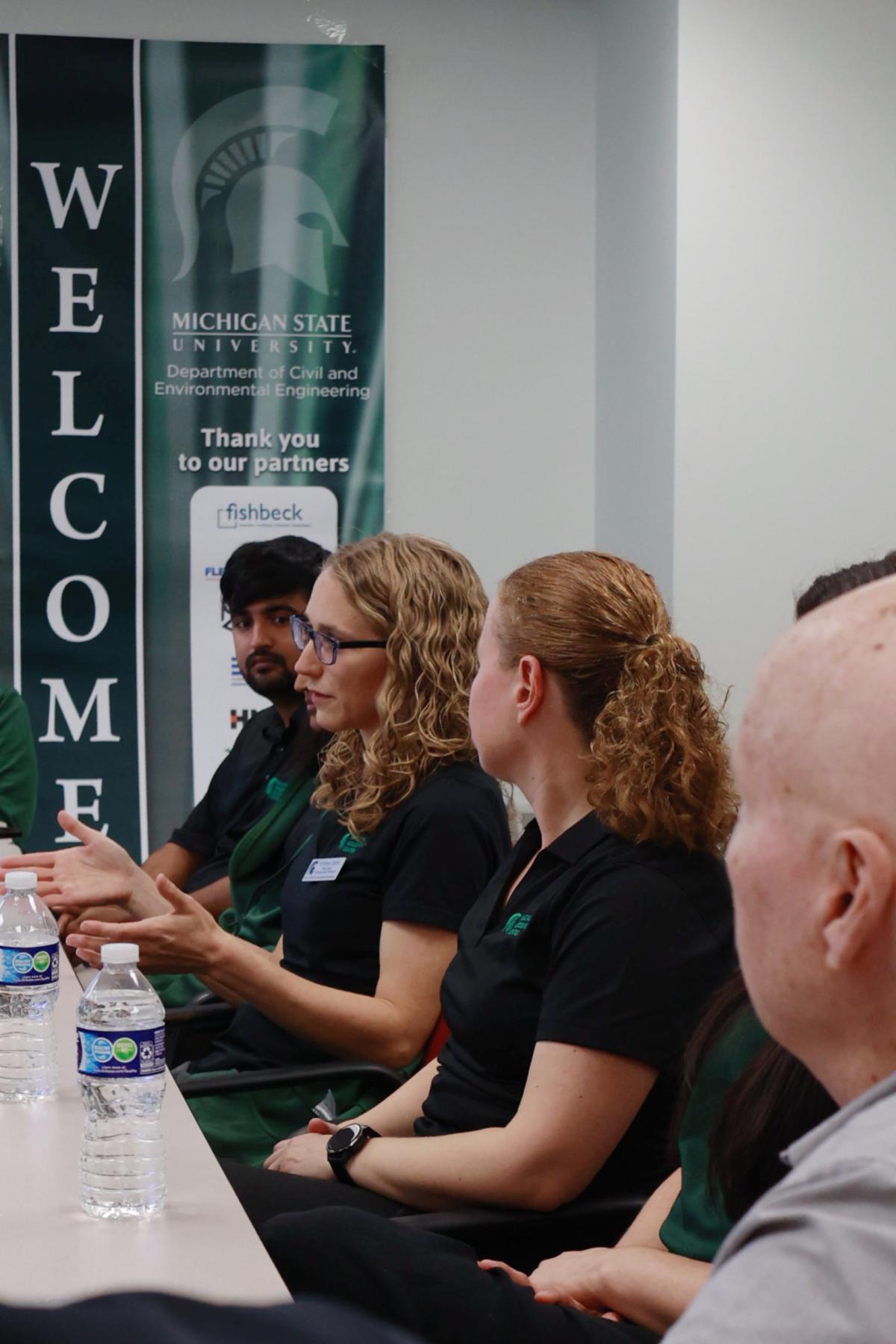
Students also explained blower-door testing, which uses a fan to create a pressure difference between the inside and outside of a building. By measuring the airflow needed to maintain that pressure difference, engineers can evaluate air leakage and identify opportunities to improve building efficiency.
Preparing students for careers in energy and manufacturing
As part of its work with industry, ITAC gives students opportunities to apply classroom knowledge to real-world engineering challenges.
"Collecting data is an important part of the assessment process, but students also have to understand what those measurements mean," said Annick Anctil, ITAC assistant director. "They learn to connect technical findings with the practical needs of a facility and develop recommendations that businesses can use to make informed decisions."
Working alongside faculty and technical professionals, students assess industrial operations, analyze data and develop recommendations for participating businesses. Direct interaction with clients also strengthens their communication, presentation and project management skills.
For Aanchal Gupta, a doctoral candidate in civil and environmental engineering and lead student with the center, the experience has helped connect her academic studies with the operational challenges facing manufacturers.
Originally from Nepal, Gupta worked in energy efficiency and industrial energy auditing before joining MSU. She said discovering the center's work encouraged her to pursue opportunities to build on that experience.
Through ITAC, Gupta has gained firsthand experience with industrial systems while strengthening her communication and problem-solving skills.
"We see things, and it clicks," Gupta said, describing how visiting facilities helps bring concepts discussed in the classroom into focus.
She added that the experience has strengthened her confidence when communicating with industry professionals and understanding their operational needs.
Casey Maxwell, a fourth-year student studying environmental engineering, described a similar connection between classroom instruction and practical experience.
Maxwell completed the program's training before beginning work as an energy analyst with ITAC. Her responsibilities include examining how energy is used in manufacturing facilities and identifying opportunities to improve efficiency.
"The hands-on portion is really nice because I can see what I'm learning about in class and apply that to real-world scenarios," Maxwell said.
Maxwell said she has also applied the skills gained through ITAC in other internships.
Expanding workforce training opportunities
The visit also included discussions about the broader Career ITAC program, which connects MSU and the Workforce Development Institute with organizations providing technical training and workforce development opportunities.
Through the initiative, MSU and the Workforce Development Institute provide field management and technical advisory support to participating organizations, helping expand access to training and resources across the manufacturing workforce.
“We're working to bring MSU's technical expertise to the building trades,” said Walter Lodes, director of apprenticeship at the Workforce Development Institute. “For organizations unfamiliar with registered apprenticeships, we can help them understand how to establish a program, find training providers and develop the necessary standards. That's what we're here for.”
The national Industrial Training and Assessment Centers program traces its origins to 1976, when it was established under the U.S. Department of Commerce. It moved to DOE in 1978 and has since expanded into a network of more than 50 centers at universities, community colleges, trade schools and union training programs.
At MSU, that mission connects technical expertise with hands-on education, helping Michigan businesses identify opportunities for improvement while preparing students for careers in energy and manufacturing.
Learn more about the MSU Industrial Training and Assessment Center.
Written by Austin J. Witt
Photos by Abigail Wicklund
MSU College of Engineering Media and Public Relations page