Research Spotlight: New contact lens sensor helps stop the silent thief of sight
Read ArticleGlaucoma is called the silent thief of sight because it damages the optic nerve before there’s any noticeable vision loss. It affects 80 million people globally and is the second-leading cause of blindness.
Research Spotlight: Microrobots combat cancer and clots with pinpoint accuracy
Read ArticleClinicians treating cancer and blood clots must balance the risk of medical interventions with their life-saving benefits. Biopsies to collect tissue for testing, ablations to kill diseased cells, and surgery or catheters to remove blood clots are effective but they’re also invasive. New microrobots – smaller than the diameter of a human hair – could reduce the need for invasive procedures.
MSU-Irish researchers collaborate on next-gen wireless communications
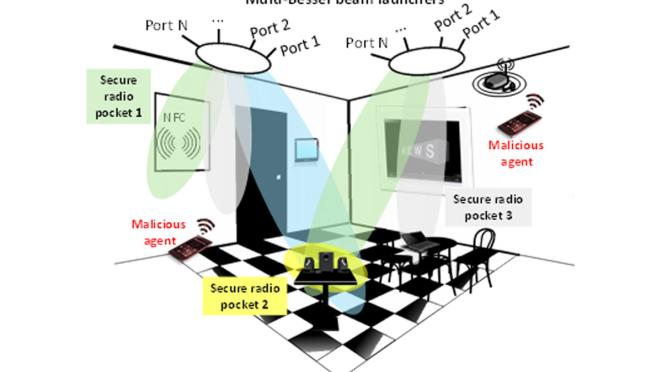
Read ArticleA new U.S. – Ireland research partnership, led by electrical engineering professors at Michigan State University, will work to improve wireless communications through location-specific “communications pockets” for more private, secure and efficient wireless communications. The project has the potential to improve next-generation wireless systems, like 5G and 6G.
MSU student entrepreneurs land deal on ABC’s ‘Shark Tank’
Read ArticleMichigan State University College of Engineering student entrepreneurs Madhav Aggarwal and Tanvi Gadamsetti, co-founders of BRCĒ, secured a $300,000 investment during their appearance on ABC’s “Shark Tank,” which aired on March 4, 2026, bringing their student-built venture from campus to one of the largest stages for entrepreneurship.
Research Spotlight: Slippery surfaces that speed up life-saving diagnostics
Read ArticleMicrofluidic devices can reveal infections, track treatment response, and guide personalized therapies. They power many of today’s vital medical tests, but if the fluid hesitates or sticks to the surface, results can be skewed, take longer, and cost more to produce.
Spartan Engineers in the spotlight at 105th TRB national meeting
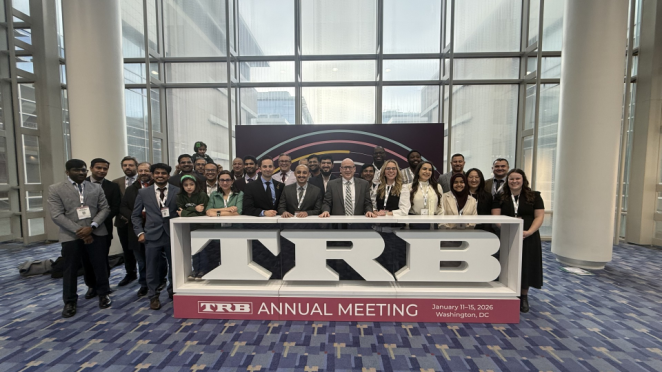
Read ArticleNationally recognized research — from how street design influences driver speeds and safety to turbo roundabouts — put Michigan State University engineers in the spotlight during the 105th Transportation Research Board (TRB) annual meeting in January 2026 in Washington, D.C.
AI is a lab diamond's best friend for semiconductors
Read ArticleDiamond is more than just a gemstone; it is the hardest natural substance on Earth with exceptional qualities for improving semiconductors — the materials used in electronics, electric vehicles and renewable energy technologies.
Spartan Engineering contributes to MSU’s top producer status for Fulbright Scholars
Read ArticleThe College of Engineering helped Michigan State University remain a top producer of Fulbright Scholars – the U.S. government’s premier international academic exchange program – in 2025-26.
Research Spotlight: New test counters LLM misinformation
Read ArticleWhat happens when a Large Language Model provides the wrong medical diagnosis, then when questioned, it doubles down and insists its answer is correct? LLM overconfidence like this is risky, especially in high-stakes decisions.
New fusion energy research center engages students and DOE
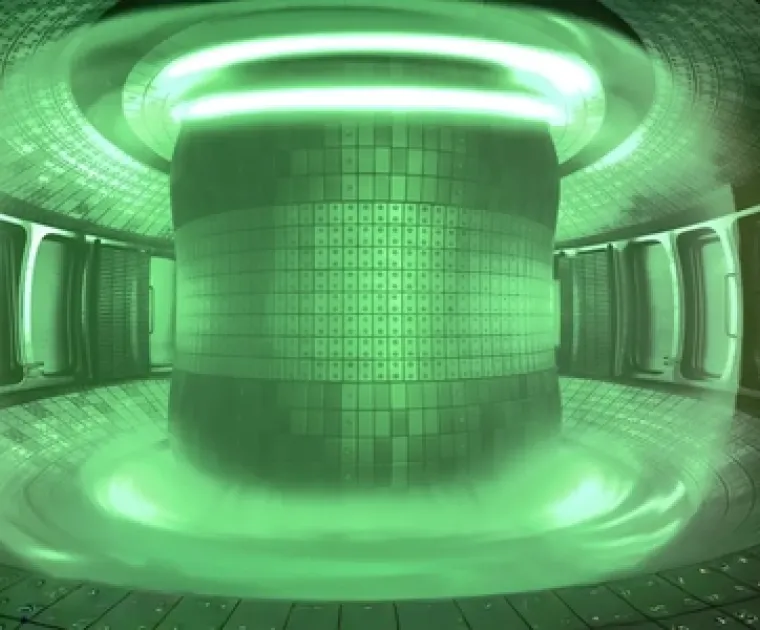
Read ArticleThe National Nuclear Security Administration has announced a new Focused Investigatory Center at Michigan State University focused on the future of fusion energy.

-
-

Our world-class academic team spans eight departments and two interdisciplinary programs
-

Learn about admissions and application processes for our world-class degree programs
-

Our world-class faculty and students engineer a healthier, safer and more sustainable world
-

MSU engineering students maximize early opportunities in the workplace and obtain competitive placements upon graduation
-
-

Sign up to receive the quarterly Spartan Engineering E-News packed with updates within the college